Key 2026 Food Trends
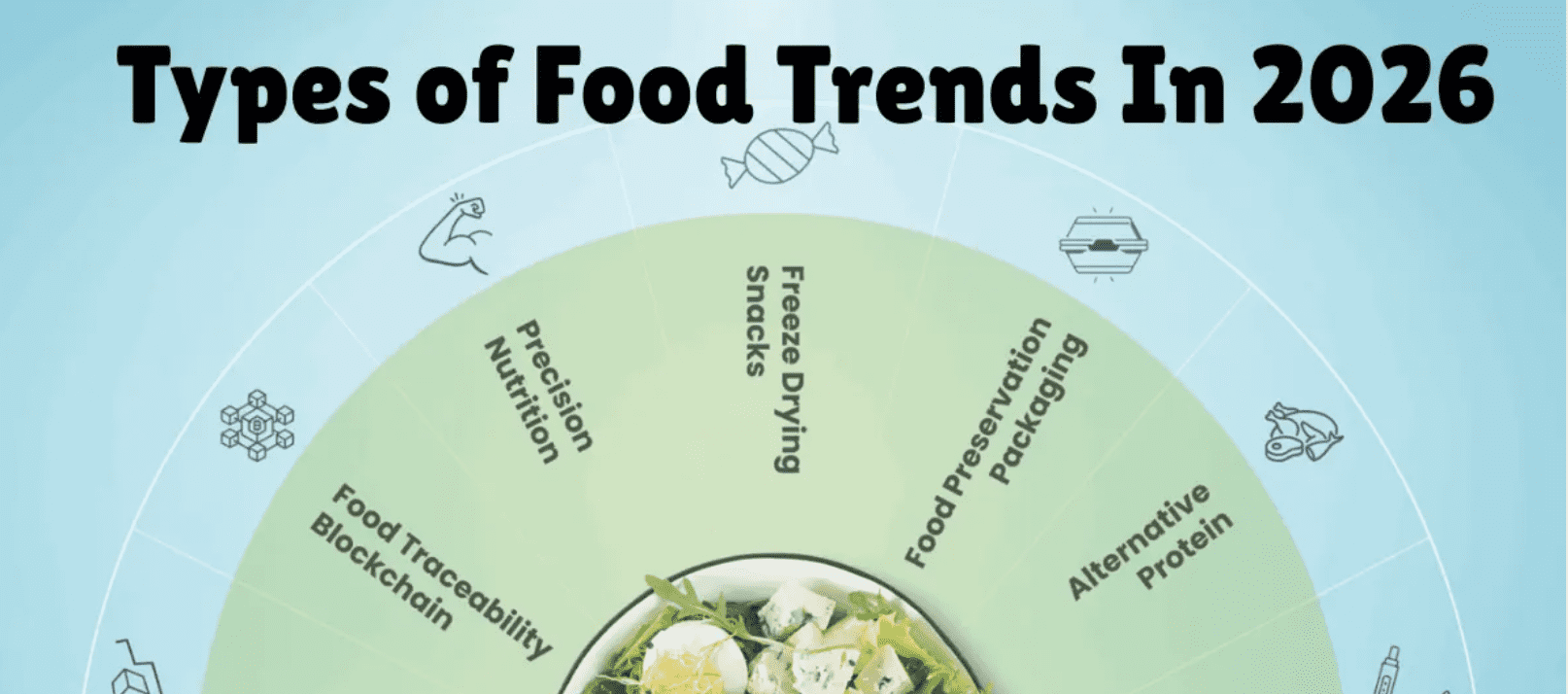
Key 2026 food trends center on “newstalgia” (modernized comfort food), a “fibermaxxing” gut-health focus, and intense “swicy” (sweet-spicy) flavors.
Key predictions include the rise of cabbage as a staple, the return of red meat, enhanced frozen “fine dining,” and a surge in functional, aesthetic beverages.

Key 2026 Food Trends – Newstalgia and Comfort
Reimagining childhood favorites with better ingredients, such as elevated chicken tenders, fancy frozen pizzas (like Flour + Water Cacio e Pepe), and high-end tinned fish.
A few forces are pushing nostalgia to the front of the queue:
Industry surveys show comfort foods, value-focused dishes, and global comfort food fusion ideas are among the top trends for 2026, with smash burgers called out by name.
Consumer research finds that familiar, nostalgic flavors heavily influence purchase decisions – a large majority of people say they are drawn to tastes that remind them of earlier times or childhood comfort food memories.
Travel and hospitality reports highlight the need for “home comforts” on the road: guests actively seek modern comfort food that calms them down when everything else feels unstable.

Restaurant Predictions – Fibermaxing
Moving beyond protein, consumers are focusing on high-fiber foods, prebiotics, and gut health (e.g., Bio.me Daily Prebiotic Fiber) to feel fuller longer.
Fibermaxxing (maximizing daily fiber intake for metabolic and gut benefits) has become one of the biggest nutrition trends heading into 2026.
What Fibermaxxing Means
It’s basically the push to intentionally hit higher fiber targets—often 30–50g/day—using whole foods, supplements, or both to improve:
Gut microbiome diversity
Blood sugar control
Cholesterol and heart risk
Satiety/weight management
Inflammation markers
The trend started on TikTok/Reddit in 2024–2025 but is now being echoed by dietitians and GI specialists because most adults still only get 15–18g/day.
Key 2026 Food Trends – Fibermaxing
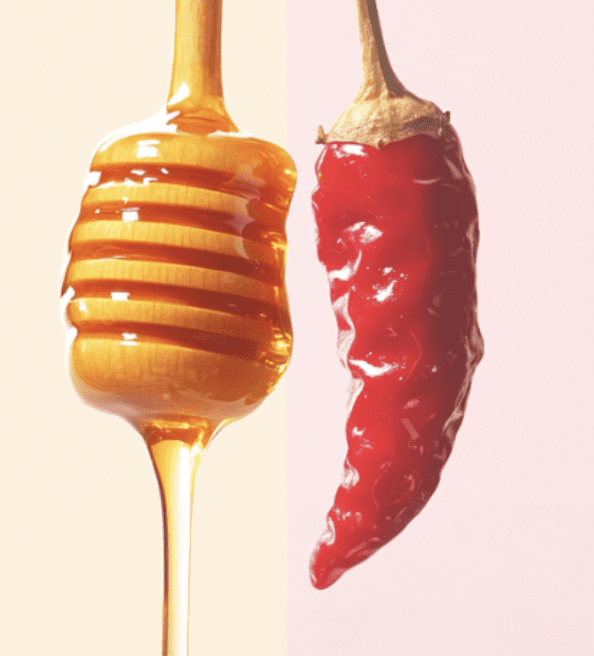
Swicy—the blend of sweet and spicy—is one of the dominant flavor trends in 2026.
It moved from niche (hot honey, chili-mango candy) to a default menu profile across fast-casual, snacks, and even desserts.
Why it’s Booming
Balanced intensity: Sweet tempers heat, making spice approachable for a wider audience.
Global Influence
Korean gochujang, Mexican chamoy/tajín, Thai chili jams, and Caribbean pepper sauces all fit the swicy template.
Social-Media Friendly
High-contrast flavors + bright colors (chili oil, honey drizzle, mango) perform well visually.
Common Swicy Formats Now
Hot honey on pizza, biscuits, roasted veggies
Chili-caramel desserts (ice cream, brownies, flan)
Fruit + spice snacks (pineapple with tajín, watermelon with chili salt)
Swicy cocktails (spicy margaritas with agave or mango)
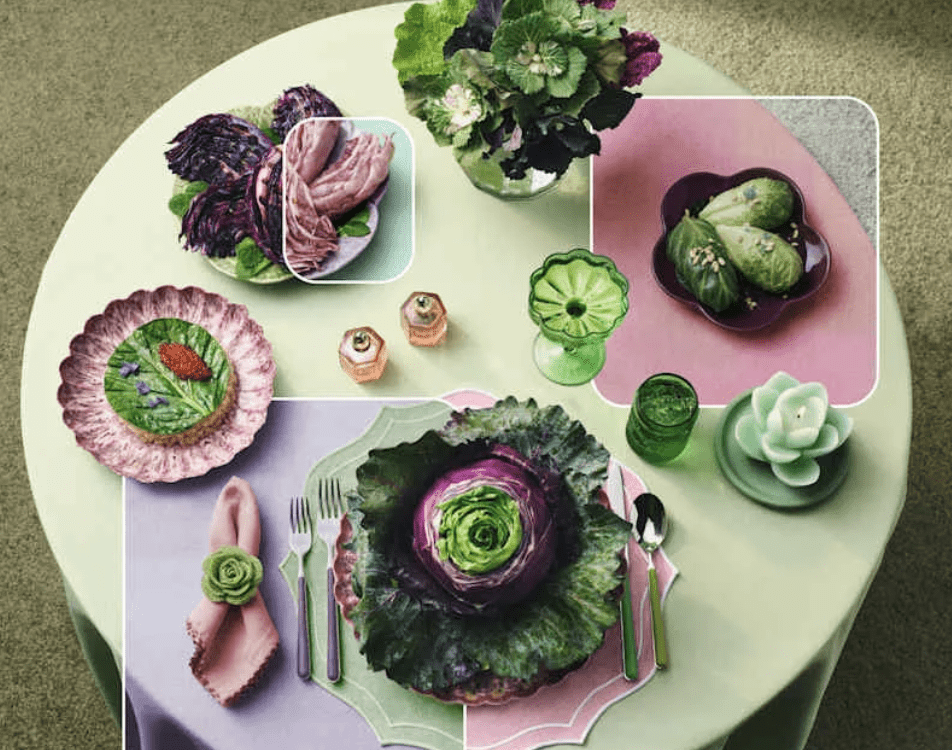
Restaurant Predictions – Vegetable – Cabbage
Known for its versatility and low cost, cabbage is replacing cauliflower in dishes like tacos, salads, and “steaks”.
Multiple trend forecasters and food media are identifying cabbage as the standout vegetable for 2026 — a shift from past favorites like kale or cauliflower.
According to Pinterest’s Pinterest Predicts 2026 trend report, cabbage is designated as a top vegetable trend for the year, with searches and interest surging online.
Versatility & Global Cuisine
Cabbage is incredibly adaptable — used raw in slaws, fermented in kimchi and sauerkraut, roasted into steaks, braised, stir-fried, or added to tacos and bowls — which appeals to both home cooks and chefs.
Nutrition & Health Focus
Its high fiber content fits neatly into the bigger health narrative around gut health (including trends like “fibermaxxing”), while also offering vitamins C & K and antioxidants. Fermented cabbage adds probiotics into the mix.
Affordability & Sustainability
Cabbage stores well, lasts long, and remains cheap — qualities that align with both economic and sustainability trends in food purchasing.
Cultural and Social Buzz
Social media excitement — from cabbage hacks to creative recipes — plus interest in nostalgic, simple, affordable ingredients, is helping this humble brassica go viral again.
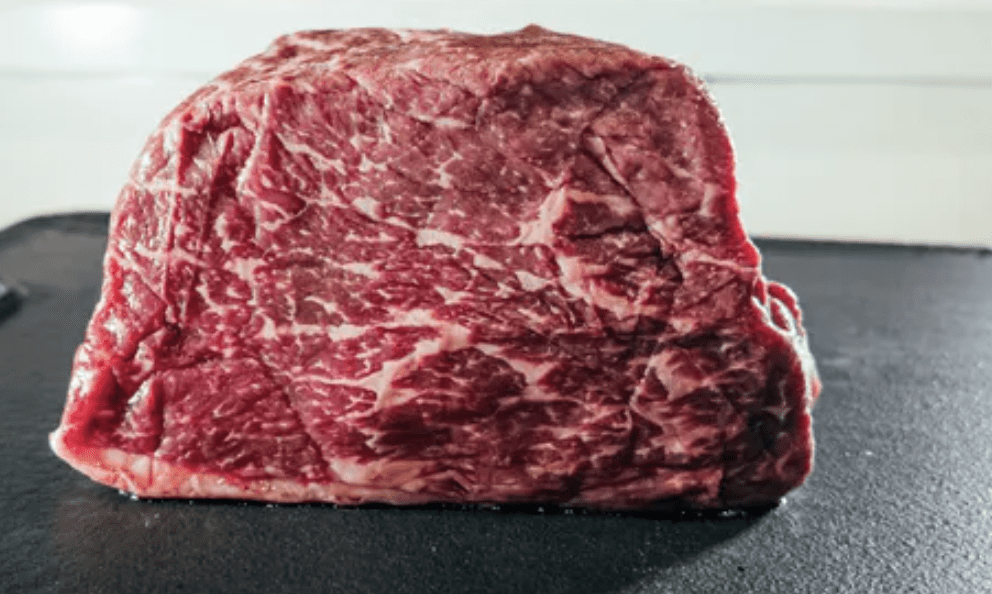
Key 2026 Food Trends – The Return of Red Meat
A shift away from plant-based alternatives toward high-quality, authentic red meat, including wagyu and “ancestral” blends containing organ meats.
High-quality, gourmet-style instant foods for busy lifestyles, such as premium ramen, “desk drawer” noodles, and instant barista-level coffee.
After a decade of plant-based hype and meat reduction messaging, red meat is trending back in 2026—not as a free-for-all, but as a reframed, more intentional comeback.
Why Red Meat is Resurging Now
Backlash to ultra-processed foods
Consumers are moving away from:
Fake meats
Seed-oil heavy processed foods
Highly engineered “health” snacks
Protein and Muscle Preservation
Major 2026 Priorities:
Aging well
Maintaining muscle
Metabolic health
Cancer recovery nutrition
GLP-1 weight-loss era
Diet Fatigue From Plant-Based Extremes
The 2019-2023 plant-based boom cooled off because:
Many meat alternatives were ultra-processed
Some lacked protein quality
People felt less full
Cost was higher
Now the pendulum is swinging toward:
Balanced omnivore diets.
Ancestral & Metabolic Nutrition Trends
2026 social media + longevity communities are pushin
Animal-based eati
Higher protei
Stable blood sugar
Fewer refined carbs
Not carnivore for most—but more red meat than the 2010s.
Fiber + Meat Coexistence
Interestingly, the same people talking about fibermaxxing are also:
Eating beans AND beef
Cabbage AND steak
Whole foods overall
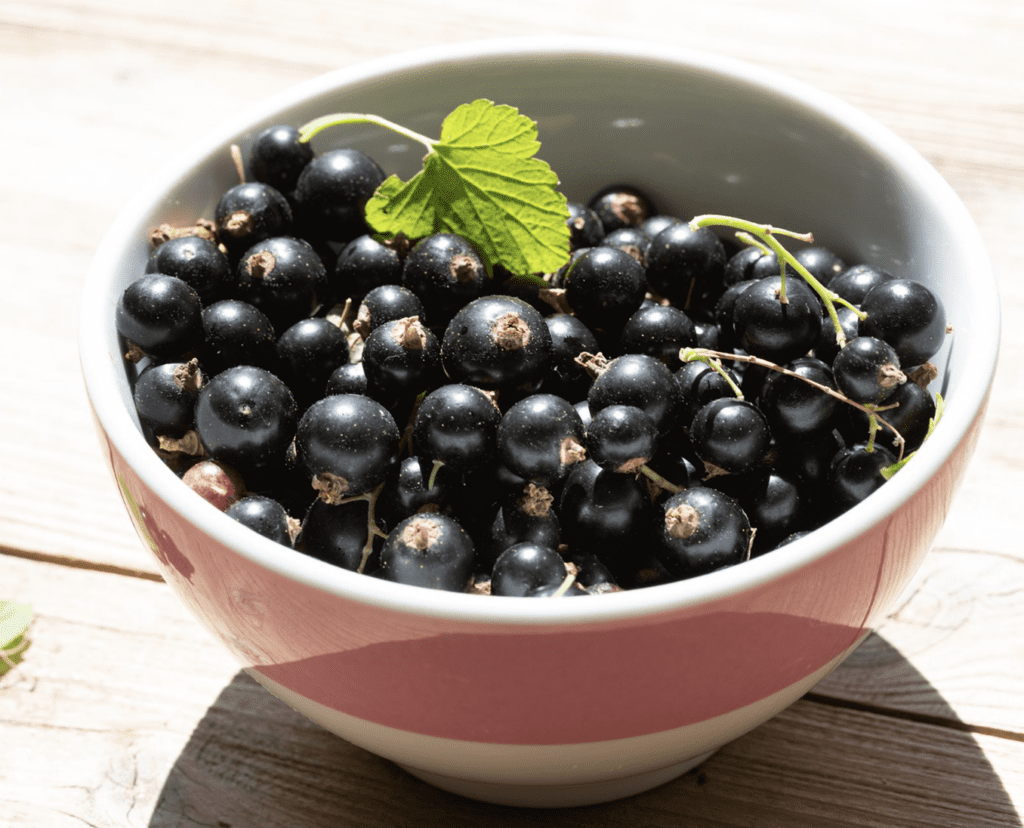
Restaurant Predictions – Black Currant
Black currant is named 2026 flavor of the year, along with guava, dark sweet cherry, and yuzu.
Black currant is being widely called one of the defining flavors of 2026 across beverages, desserts, and savory cooking.
Like cabbage and fiber-forward foods, it fits the broader shift toward bold, nostalgic, nutrient-dense, globally inspired ingredients.
Why Black Currant is Trending Now
Tart, complex flavors are replacing ultra-sweet
Flavor forecasting for 2026 shows a move away from:
Overly sugary fruit flavors
Artificial candy notes
Toward:
Tart
Slightly bitter
Botanical
Think:
cranberry + blueberry + red wine depth
European influence Hitting U.S. food culture
Black currant has always been common in:
UK (Ribena, desserts)
France (cassis liqueur)
Northern Europe
Japan
U.S. Interest is Rising Because:
Global flavors are trending
Chefs are rediscovering classic European ingredients
Cocktail culture is driving demand
Health Halo + Functional Fruit Positioning
Black currants are rich in:
Anthocyanins
Vitamin C
Polyphenols
Fiber
They’re Now Marketed As:
Anti-inflammatory
Immune-supportive
Gut-friendly
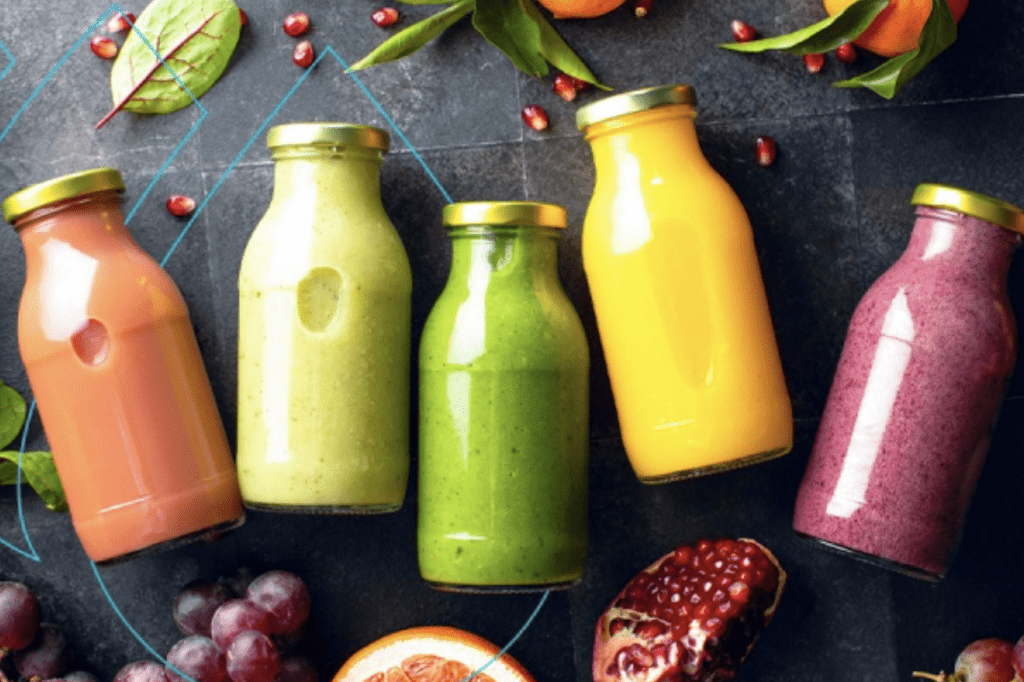
Key 2026 Food Trends – Functional Beverages
Drinks featuring botanicals, adaptogens, and fermented ingredients (vinegars, kombucha) for mental and physical wellness, alongside the “cold foam” trend continuing to evolve.
They’ve moved from niche wellness products to mainstream daily staples.
The Shift:
Drinks are no longer just hydration — they’re “liquid supplements.”
This trend overlaps with everything you’ve been asking about:
fiber, gut health, protein, longevity, and metabolic health.
What Functional Beverage Means in 2026
A drink designed to deliver a specific physiological benefit:
Gut health
Energy
Cognition
Sleep
Protein
Blood sugar control
Inflammation support
Think:
sparkling water + supplement stack + flavor trend.
Why Functional Beverages Exploded
People want easy health wins
It’s easier to drink nutrition than cook it.
Consumers Want:
Convenience
Measurable effects
Daily routines
The Anti-Alcohol Shift
Alcohol consumption is declining in many groups.
Replacing it:
Adaptogenic drinks
Nootropic drinks
Gut sodas
Botanical spritzes
Functional beverages are becoming the new
THE Evening ritual drink.
GLP-1 and Protein Era
Weight-loss drugs + aging population →
massive demand for:
Protein drinks
Fiber drinks
Appetite control beverages
Many people now use drinks to:
Hit protein goals
Prevent muscle loss
Stabilize glucose
Gut Health Obsession
Microbiome awareness is driving:
Prebiotic sodas
Fiber drinks
Fermented drinks
Probiotic beverages
This ties directly into fibermaxxing.
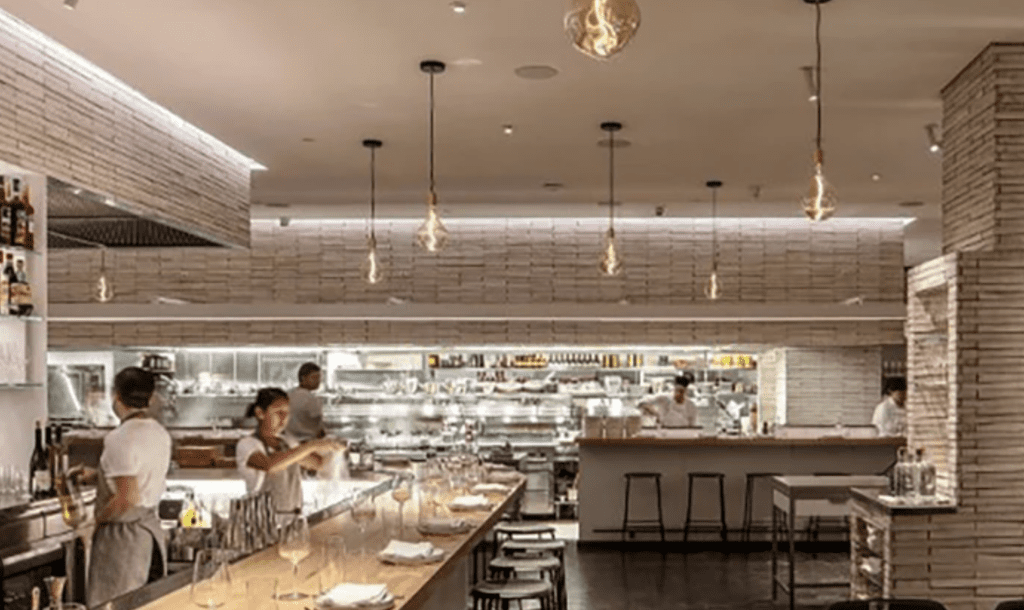
Restaurant Predictions – Kitchen Couture
An aesthetic trend where pantry staples—like Graza “Drizzle” olive oil or Fishwife Tinned Seafood Co.—are designed to be displayed on countertops.
Kitchen couture is a 2026 design + lifestyle trend where kitchens are treated like fashion statements and performance studios, not just functional rooms.
It’s less about luxury-for-show and more about:
aesthetic identity + wellness + hosting + longevity living
You can think of it as:
fashion meets nutrition meets architecture.
Why This Trend is Happening
The kitchen is the new living room
Post-pandemic habits stuck.
People cook, work, host, and socialize in the kitchen.
So Design Focus Shifted to:
Display
Personalization
Ritual
Wellness
All the 2026 Food Trends Feed Into This:
Fiber cooking
Fermentation
High-protein meals
Functional beverages
Cabbage/vegetable-forward cooking
Premium meat preparation
People want kitchens that support:
Real cooking again.
Quiet Luxury Replaces Flashy Kitchens
The 2015–2020 white marble kitchen era is fading.
2026 Kitchen Couture Emphasizes:
Warm woods
Stone
Matte metals
Built-in appliances
minimal clutter
Luxury is now:
subtle + tactile + chef-functional.
Top 2026 Food Trend Predictions – Year of The Woman Farmer
Increased spotlight and support for female-led agriculture and sustainable farming practices.
2026 is being dubbed by many in the food, agriculture, and cultural media world as the “Year of the Woman Farmer” — a moment when women in farming are gaining unprecedented visibility, influence, and leadership across the global food system.
This is both a social trend and a practical economic shift in how food is grown, marketed, and consumed.
Why 2026 Is Being Called The Year of the Woman Farmer
Women Are Becoming Agricultural Leaders
There’s a growing number of women:
Starting farms
Running acreage
Leading agricultural organizations
Innovating in sustainable practices
Across many regions, women are no longer a minority in farming — they’re a driving force.
Consumer Demand for Values-Based Food
Shoppers increasingly want food tied to:
Sustainability
Regenerative agriculture
Small-scale farms
Transparency
Ethical labor practices
Many consumers now connect those values to women-led farms — especially in local, organic, and specialty markets.
Food Media & Storytelling
Food magazines, social platforms, and chef culture have turned women farmers into icons — spotlighting:
Heirloom varieties
Biodynamic growers
Community growers
Urban agriculture leaders
This visibility creates cultural momentum.
Policy & Funding Shifts
Some governments and NGOs are explicitly funding women in agriculture through:
Microloans
Land access programs
Training & education
Grants for sustainability
This is creating infrastructure for growth.
Culinary Connections
Chefs and restaurants increasingly highlight who grew the food, not just what the food is — and women farmers are increasingly center stage.
Menus pointing to specific growers help elevate these producers.
Exciting Restaurant Openings in America >>
Michelin Lists Best Steakhouses >>
Foods That Chefs Always Buy Farmers Market >>