Greatest American Restaurants
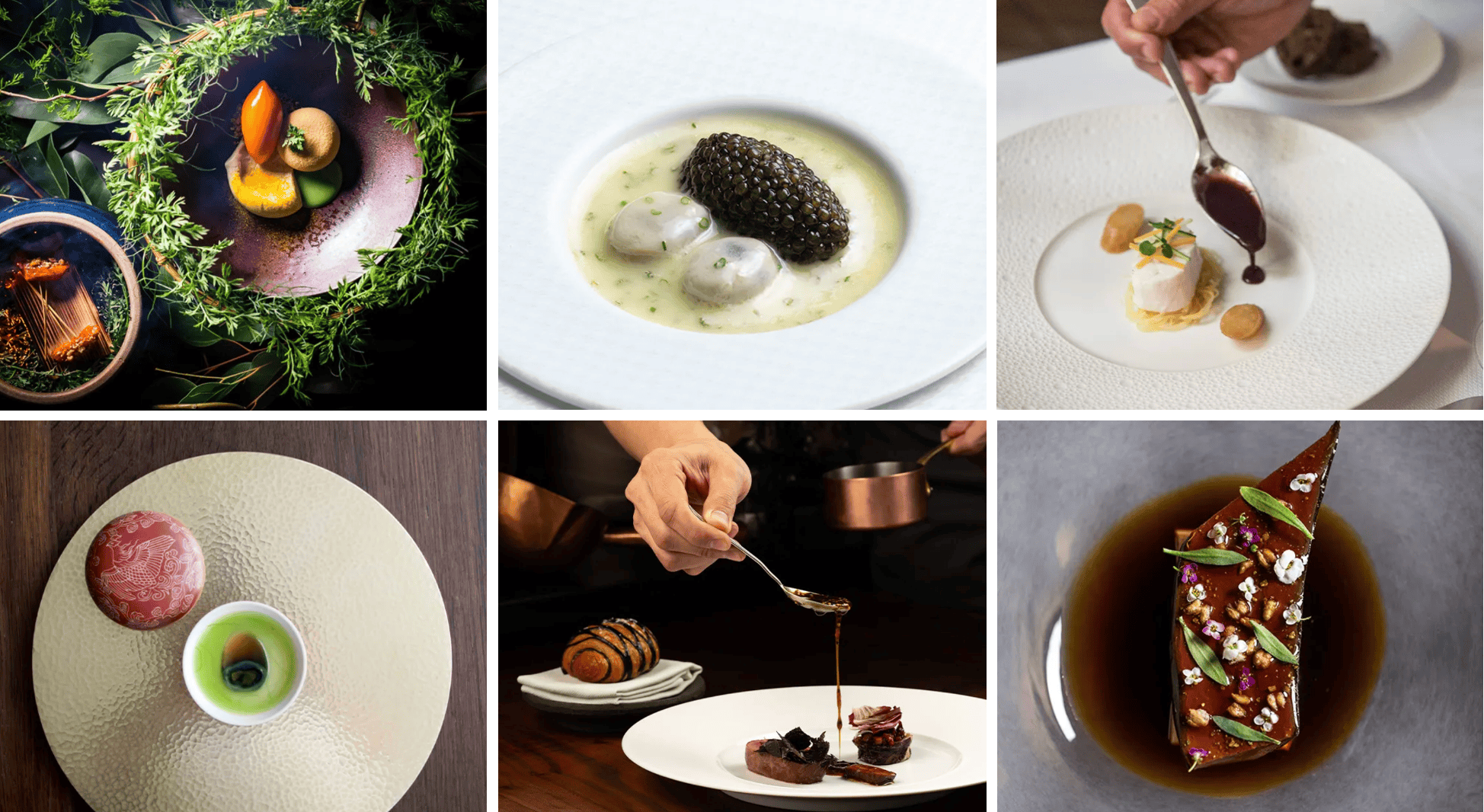
Greatest American Restaurants – The greatest restaurants in America, over the past 25 years, that have endured, influenced, and amazed.
Greatest American Restaurants were ranked by a jury of 250 chefs, restaurateurs, sommeliers, ingredient purveyors, well-traveled diners, and more.
Their assignment was simple, yet actually quite difficult: Name the 10 greatest restaurants in America that have operated in this century.
Each voter was asked to think about their own definition of greatness by considering the quality of the dining experience, influence, staying power, and other factors they deemed important in making a place truly great.
They were allowed to consider what they thought was the restaurant’s peak and not necessarily how it exists today, because some of the greatest restaurants of the century are now closed.
Voters could consider restaurants opened before 2000, but were asked to keep in mind those establishments’ contributions to this century of dining and not judge them based on 20th-century performance.
And we made sure to approach voters from all corners of the country so regional stars could also shine.
The vast majority of the Greatest American Restaurants that made the list are full-service operations, many leaning toward the fine-dining end of the spectrum.
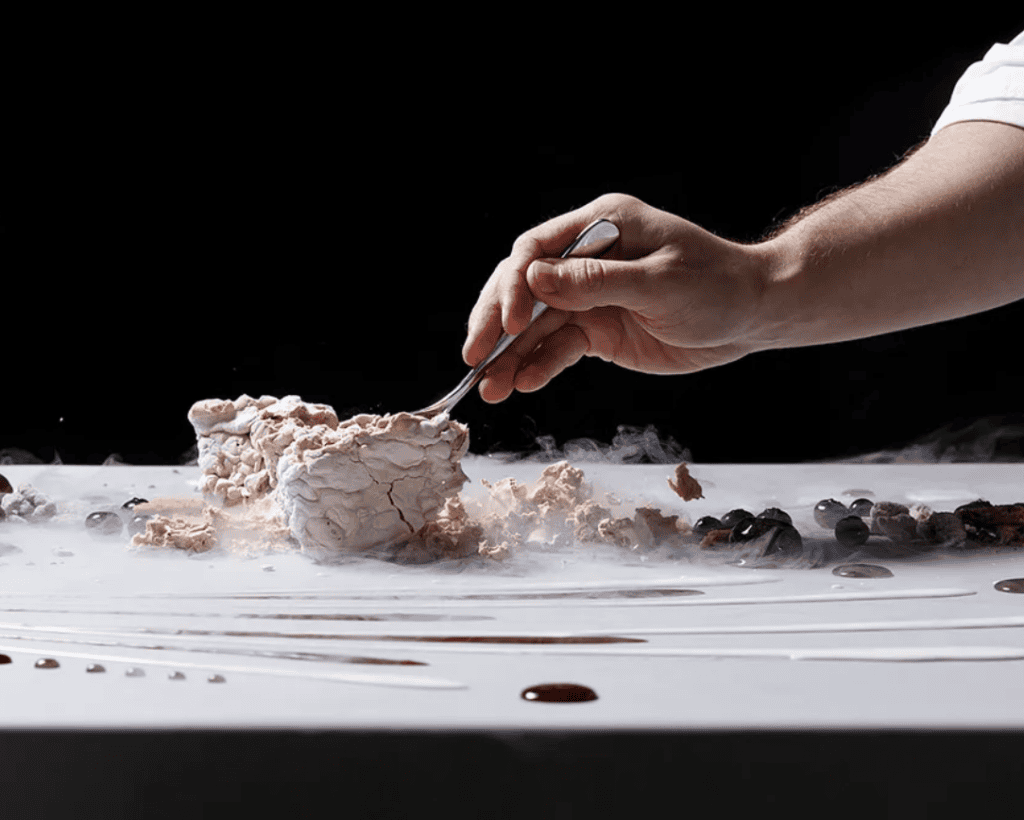
Greatest American Restaurants Alinea Chicago
In 2002, Grant Achatz was in Evanston, Ill., running the kitchen at Trio after years spent working for Thomas Keller at the French Laundry and a short but impactful stage at the high church of molecular gastronomy, Ferran Adrià’s El Bulli.
One of Trio’s regulars, with a standing Wednesday table, was Nick Kokonas, who’d made his money not in restaurants but in derivatives trading.
Kokonas approached Achatz to start a restaurant together and thus began one of the greatest partnerships in restaurant history.
The duo opened Alinea in Chicago’s Lincoln Park neighborhood in 2005, a tasting-menu restaurant where Achatz merged his major influences to make something entirely his own.
He pushed the bounds of culinary techniques to surprise and delight diners, creating not just a dinner out but an immersive experience where a balloon could be a dessert and a translucent cube could taste just like a Chicago dog.
Young chefs went to work for Achatz the way he’d gone to study under his mentors.
And the restaurant was a hit immediately, with Ruth Reichl proclaiming it the best restaurant in America in 2006.
At the same time Achatz was innovating in the kitchen, Kokonas wouldn’t accept the status quo of the restaurant world’s business side.
Finding the industry’s reservation system to be archaic, Kokonas rethought its relationship to dining out. Instead of just making a reservation you may or may not show up for, dining at a restaurant would be like buying a ticket to a concert or sporting event.
That innovation let fine-dining restaurants have more predictable cash flow and helped solve the vexing problem of people just not showing up to an establishment.From that idea grew Tock, which revolutionized how restaurants did reservations.
And in another bucking of the existing system, Kokonas went around the traditional publishing industry to produce and distribute Alinea’s cookbook themselves, which was a pretty profitable decision.
Of course, there were major setbacks along the way. Only a few years after opening, Achatz battled stage-four tongue cancer, losing his sense of smell and taste from his treatments.
The doctors were able to cure him without removing parts of his tongue, and his senses would return.
And when the Michelin Guide came to Chicago, the inaugural 2011 edition put Alinea at three stars; a distinction it held until last week when Michelin announced it would be two stars.
Now 20 years since Alinea opened, the restaurant has taken its theatrics on the road to residencies in Brooklyn, Miami, Beverly Hills, and Tokyo.
Kokonas decided to leave the industry, becoming a minority investor by selling enough of his shares to new owner Jason Weingarten.
But for Achatz, the show still goes on in the Windy City.
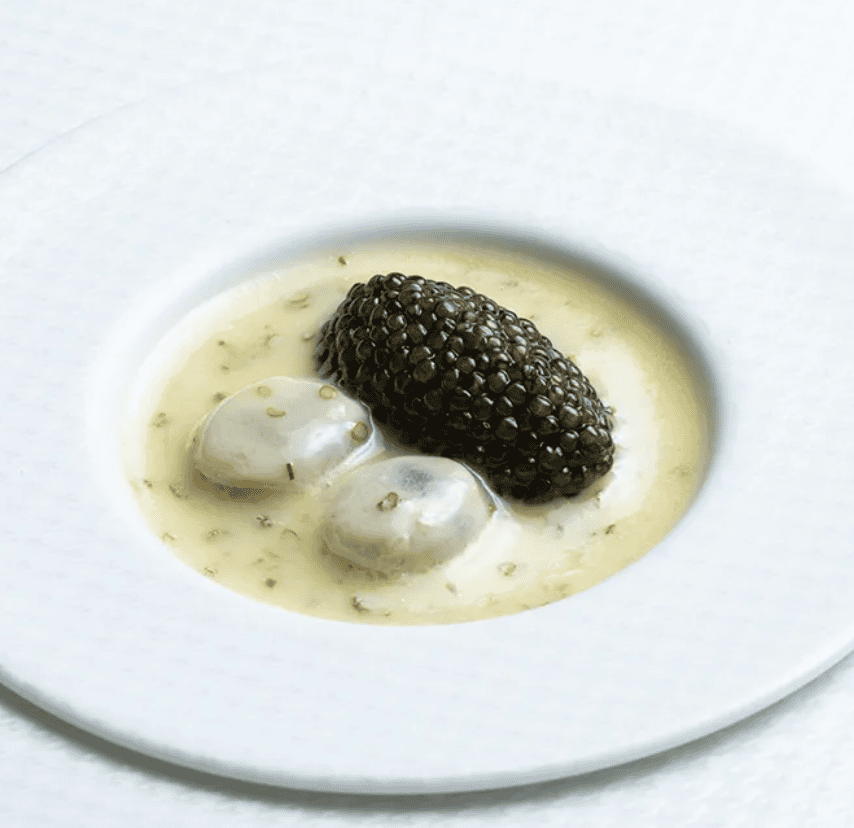
The French Laundry Yountville CA
Thomas Keller transformed the French Laundry, around since the early 1900s, into a leader of American fine dining after he took it over in 1994.
Rooted in his love of French food and technique, Keller’s nine-course menu taps into his dry humor and plays with a diner’s sense of nostalgia through the meal.
One of the greatest testaments to the French Laundry’s influence has been the sheer number of alumni who have opened acclaimed restaurants of their own, from Grant Achatz’s Alinea to Corey Lee’s Benu to René Redzepi’s Noma.
Like his idol, Paul Bocuse, Keller has created a proving ground for exceptional chefs.
“Growing up in Napa, the French Laundry was the dream.
It was this magical place where American cuisine found its voice.
Thomas Keller shaped how I understood discipline, precision, and beauty on the plate.
It is not just a restaurant but a dining destination that epitomizes culinary excellence through its unwavering commitment to seasonal ingredients and meticulous attention to service and detail.
Thomas has a profound respect for both food and the dining experience, which makes TFL truly magical and an easy choice for one of this century’s greats.” —Elizabeth Blau
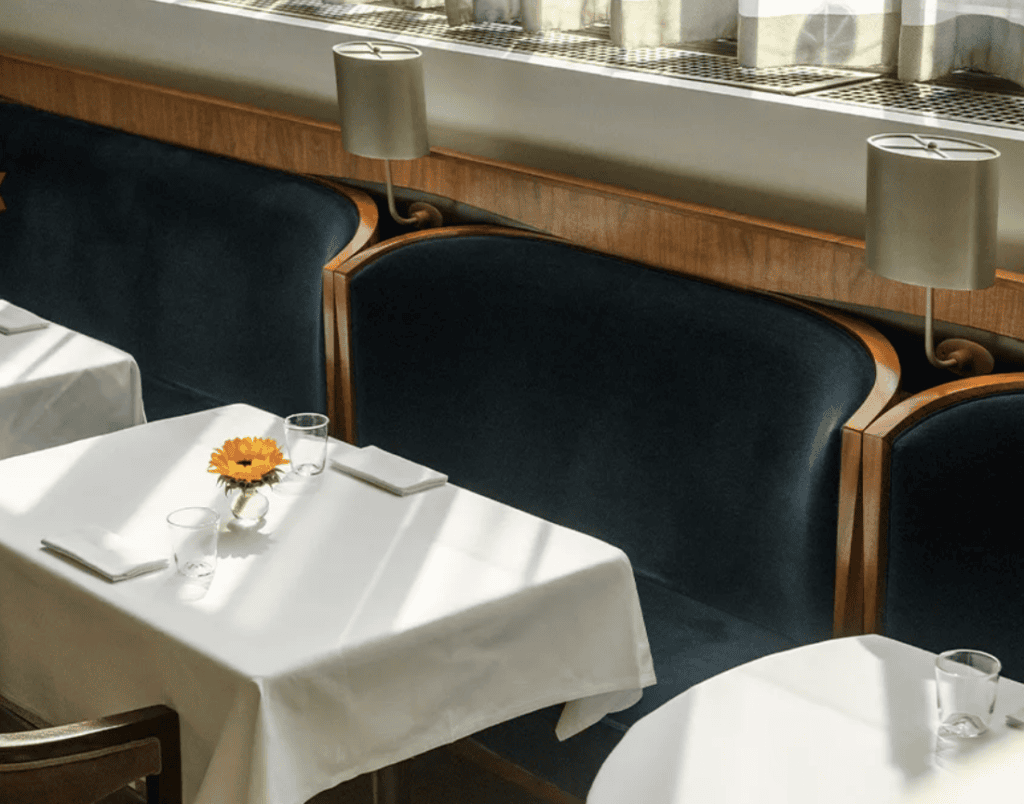
Greatest American Restaurants Eleven Madison Park New York City
Danny Meyer opened Eleven Madison Park in 1998 as a much more populist affair than the fine-dining destination it would become.
It was conceived as a brasserie serving 400 people per night, but that mission changed when Daniel Humm and Will Guidara purchased the restaurant from Meyer in 2011.
Not long after the duo closed the deal, the restaurant leaped from one Michelin star to three and started marching up the World’s 50 Best list. In 2017, it became only the second American restaurant (after the French Laundry) to take the No. 1 spot.
A key aspect of Eleven Madison Park’s ascent was that, during a time of focus on the craft of chefs, Guidara carried the torch for high-level front-of-house service.
He approached his mission in a playful way, with table-side service, “dreamweavers” who created intensely personal touches for guests, and sometimes even three-card-monte games.
“Eleven Madison Park, during Will Guidara’s tenure, recreated the playing field for hospitality.
You could tell that their back-office preparation was surgical, but the nights I was there, it felt like jazz: improvisational yet precise, every move in sync, a Miles Davis session disguised as dinner.
No wonder that Miles has been their muse since day one, his picture still hanging on the wall of their kitchen.” —Kevin Boehm
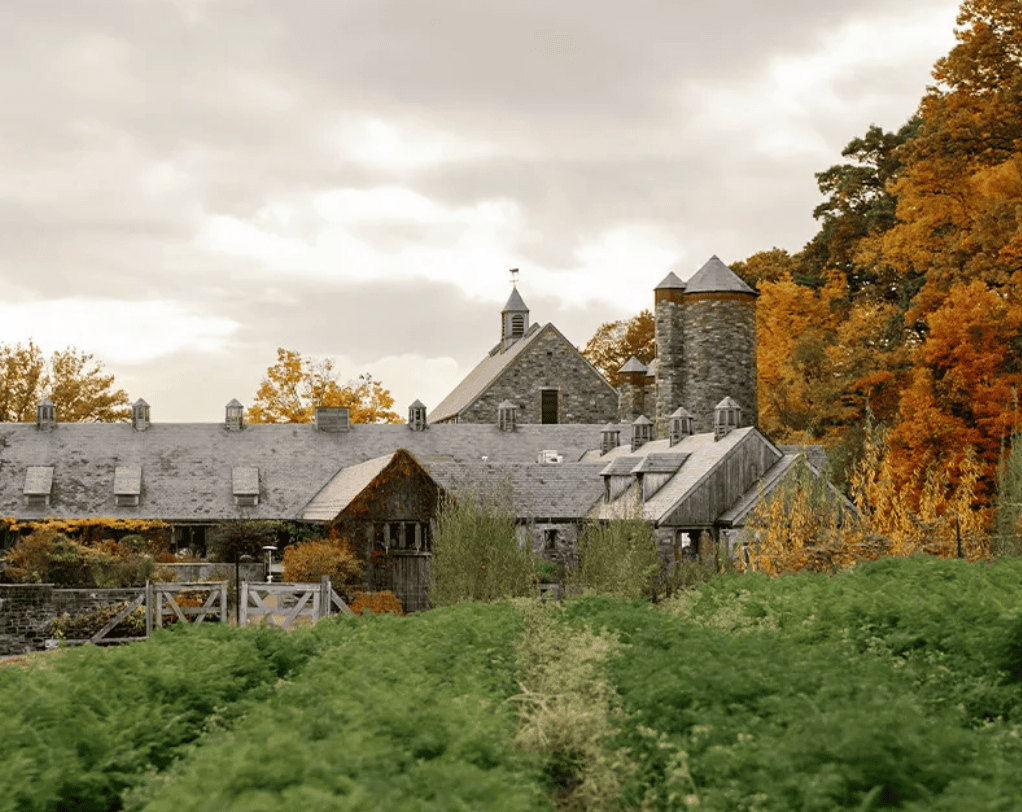
Blue Hill at Stone Barns Tarrytown NY
In the past 15 years, you couldn’t swing a dead free-range chicken without hitting a restaurant claiming to be farm-to-table.
It’s “claiming” because, as the 2010s wore on, “farm-to-table” became more marketing speak than reality for many restaurants (as the Tampa Bay Times showed pretty convincingly in its 2016 investigative series Farm to Fable).
Yet there remained many outstanding restaurants doing the actual hard work of farm-to-table cooking, and Dan Barber has been a beacon of the movement.
Barber opened the original Blue Hill in New York’s Greenwich Village in 2000, and the restaurant at the Blue Hill agricultural center debuted in 2004, 30 miles north of the city.
In those early years, his style of restaurant—one that’s intensely connected to the land—wasn’t as en vogue as the whizbang science of the molecular gastronomists.
But as the modernist movement faded, the culinary pendulum swung back in Barber’s direction.
He has also taken farm-to-table to a whole new level.
Barber realized our food system is largely created to produce food that’s meant to be more shelf-stable than delicious, so he has been working to create seeds and growing conditions that optimize flavor.
The restaurant acts as a showcase for the larger work he’s doing.
“Dan Barber is the Bill Nye of the culinary world; he and his team at Blue Hill have redefined not only how the industry highlights vegetables, but they have also impacted the vegetables the farms are growing.” —Danny Garcia
Greatest American Restaurants Le Bernardin New York City
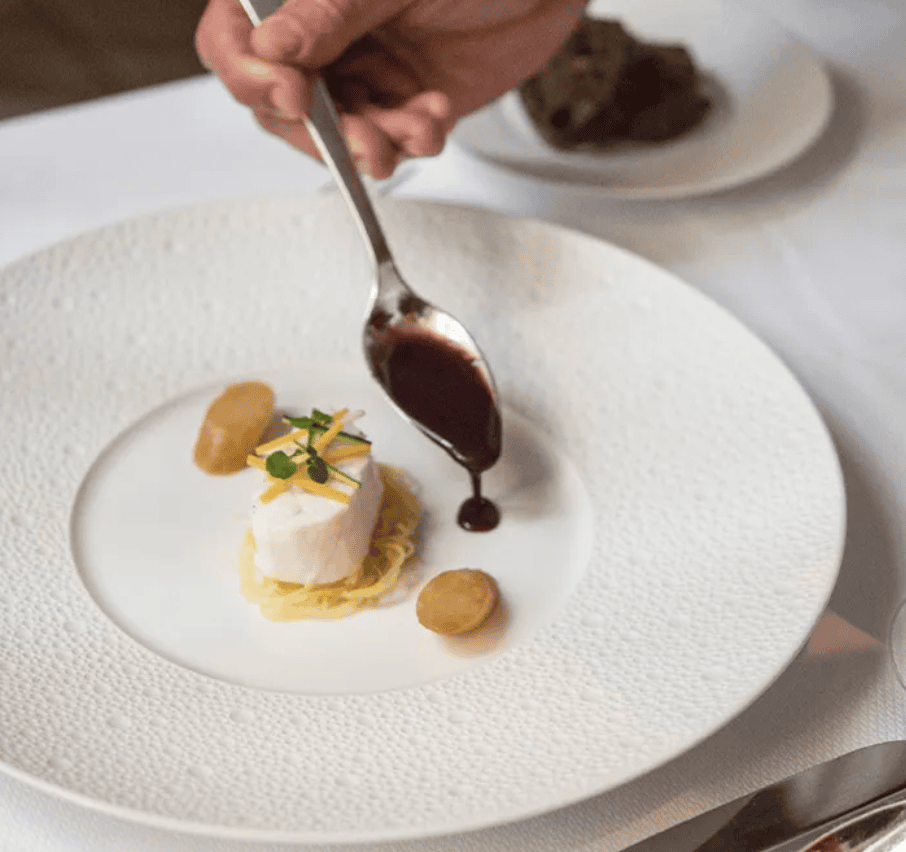
For sustained, consistent excellence, it’s hard to find a better example than Le Bernardin.
Eric Ripert took over the kitchen, originally opened by Maguy and Gilbert Le Coze in 1986 in New York after moving from Paris, in 1994.
He continued the approach of exceptional seafood simply prepared. It has not been a restaurant that chases trends, but it sets a bar for excellence, with chefs across the country looking to it as an example of how to do a seafood-driven restaurant at the highest level.
It doesn’t hurt to have one of the country’s best sommeliers in Aldo Sohm driving an outstanding wine program as well. And when we’ve polled industry insiders the past couple of years about the country’s best power lunch spot, Le Bernardin has been the clear winner.
“Le Bernardin is the epitome of timeless excellence.
It remains a benchmark of refined seafood dining and flawless service.
Eric Ripert’s philosophy of elegant restraint—allowing ingredients to shine without distraction—is a masterclass in respect and technique for past and future generations of chefs and diners.” –Isabel Coss
Benu San Francisco
Corey Lee worked for Thomas Keller at the French Laundry for nearly a decade, rising up the ranks to chef de cuisine and winning a James Beard Award for Emerging Chef.
Since opening Benu in 2010, he has only furthered his legend as a technically brilliant chef.
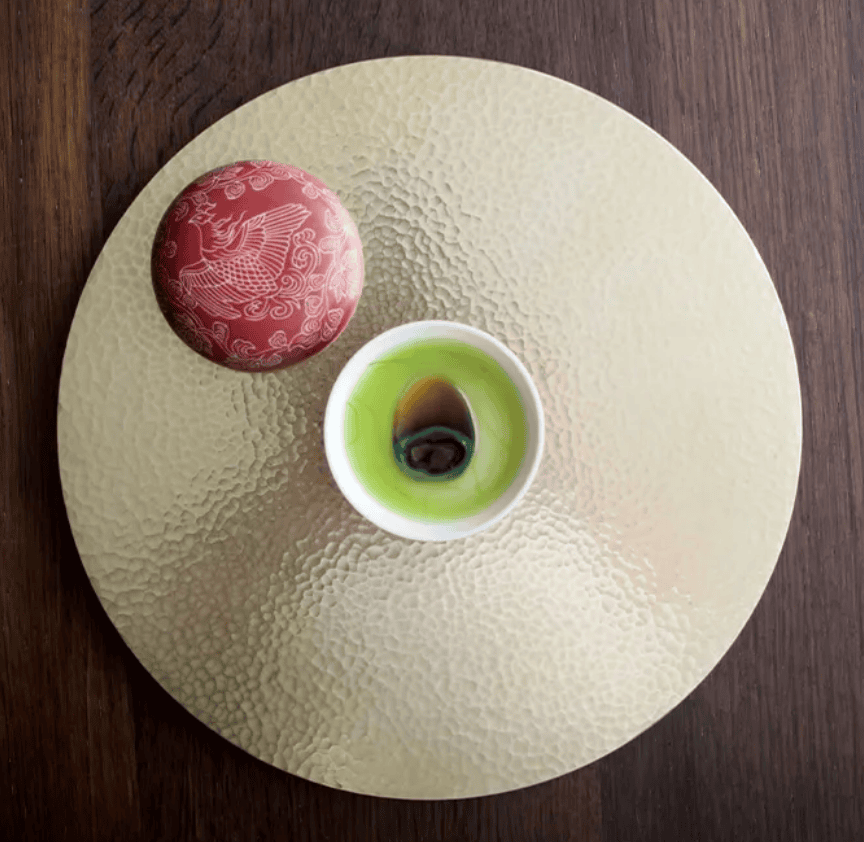
At Benu, Lee has merged flavors from Korea, China, and Japan for his tasting menu, creating dishes like oyster with pork belly; a thousand-year-old egg with potage, ginger, and cabbage; and kimchi or smoked quail, lilies, and fermented pepper.
For his efforts, Lee’s Benu became the first restaurant in San Francisco (along with Saison the same year) to be awarded three stars by Michelin, and he won another James Beard Award for Best Chef: Pacific.
Corey Lee’s innovative vision redefined the concept of ‘Asian’ food, moving beyond a broad category to celebrate and respect the distinctiveness of specific regional cuisines, in this case, Korean.
More than just ahead of its time, Benu inspired a new generation to bring our own Asian American stories into our work.” —Aisha Ibrahim
Corey Lee harmoniously blended the lessons learned in one of the best French kitchens with his own heritage, and in doing so, helped launch the concept of Korean fine dining in America—a movement that feels deeply present today.
Greatest American Restaurants SingleThread Healdsburg CA
Husband and wife duo Kyle and Katina Connaughton wanted to open more than just a restaurant when they debuted SingleThread in Sonoma in 2016.
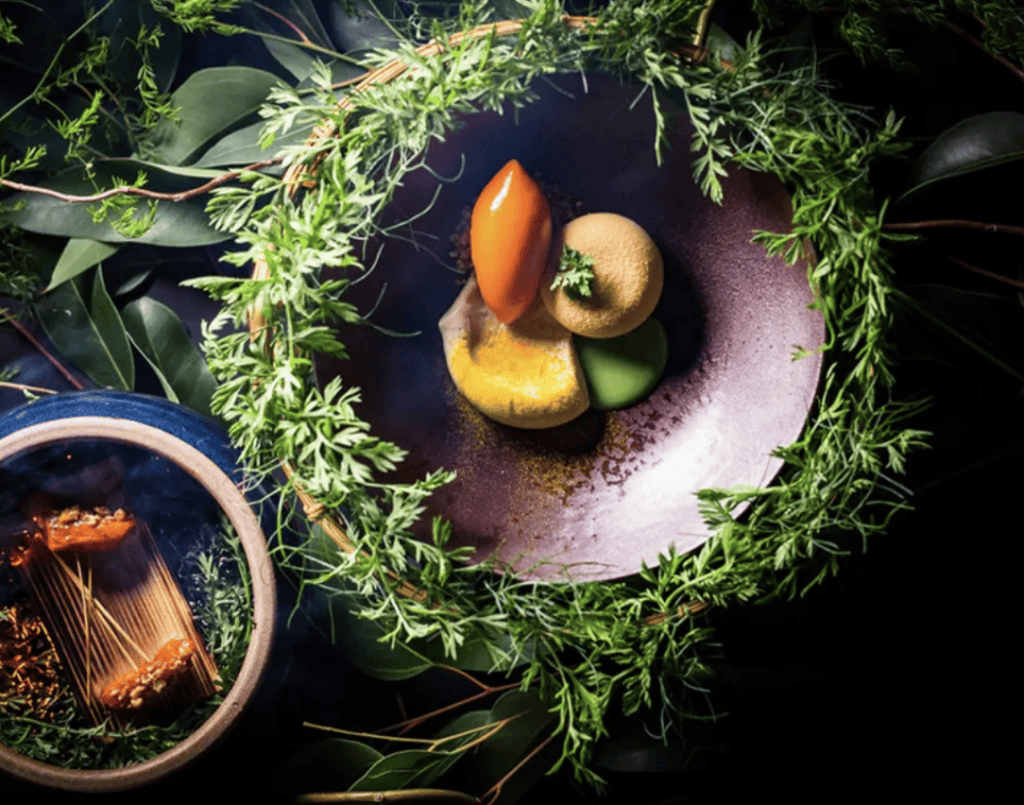
From the inn above the restaurant to the farm to the 11-course tasting menu, the two create an immersive and comprehensive experience.
The Japanese-inflected food is informed by Kyle’s time as a chef around the globe.
Among many stints, he worked at the famed chef Michel Bras’s restaurant in Hokkaido, Japan, made pastries at Wolfgang Puck’s Spago in Beverly Hills, and led the research kitchen at Heston Blumenthal’s temple of molecular gastronomy, the Fat Duck.
“At a time when ‘farm-to-table’ has become more of a marketing phrase than a philosophy, SingleThread has restored its true meaning, making it the very core of their identity.
Beyond their remarkable execution and extraordinary hospitality, I’m deeply inspired by how they weave cultural tradition and local terroir into a story told at the highest level of cuisine.” —Cherif Mbodji
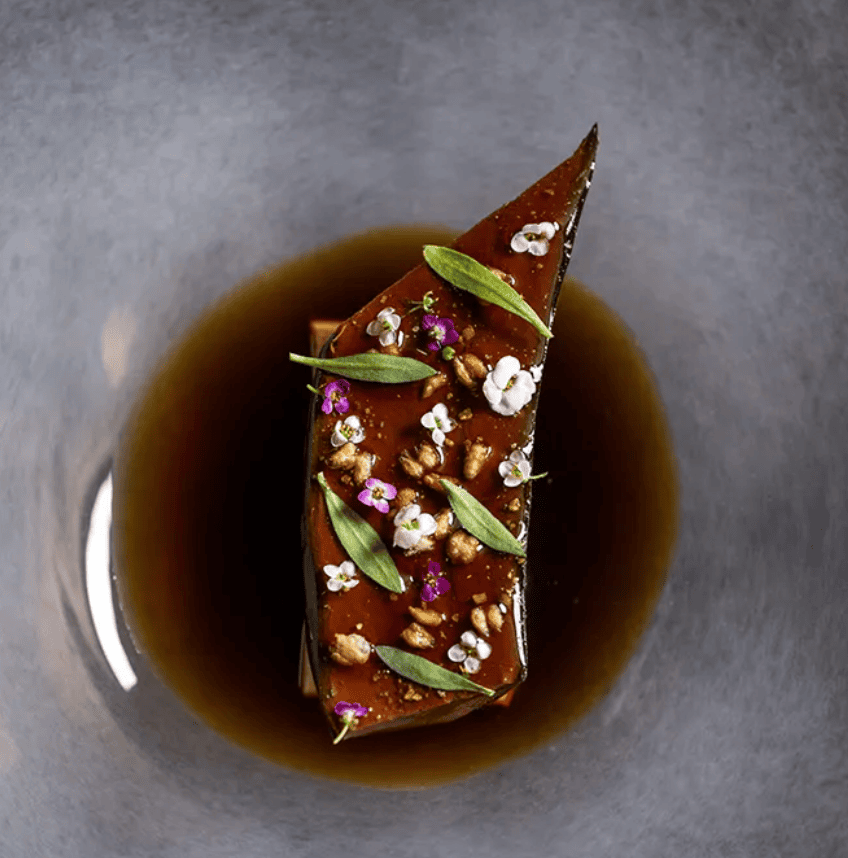
Atomix New York City
Junghyun Park came to the States from Korea to cook at the New York outpost of Michelin two-star Jungsik before setting out on his own with his wife and business partner, Ellia.
After Atoboy came the couple’s big creative swing, the tasting-menu-driven Atomix, which is a loving celebration of Korean culture from the food to the ceramics to the utensils to even the staff uniforms.
The menu, served at a U-shaped counter in the basement of a Manhattan townhouse, draws on traditional Korean ingredients and dishes as well as chef Park’s travels.
Atomix has put the duo on the vanguard of a growing Korean fine-dining movement in New York, and the tasting counter was ranked No. 12 on the World’s 50 Best list this year.
It was also crowned the Best Restaurant in North America when the 50 Best organization debuted that list in September 2025.
Oftentimes, a restaurant of their caliber hits an early stride and just attempts to maintain the high level.
Chef JP and Ellia Park managed to start off strong and year after year redefine what excellence is.” —Suzanne Cupps
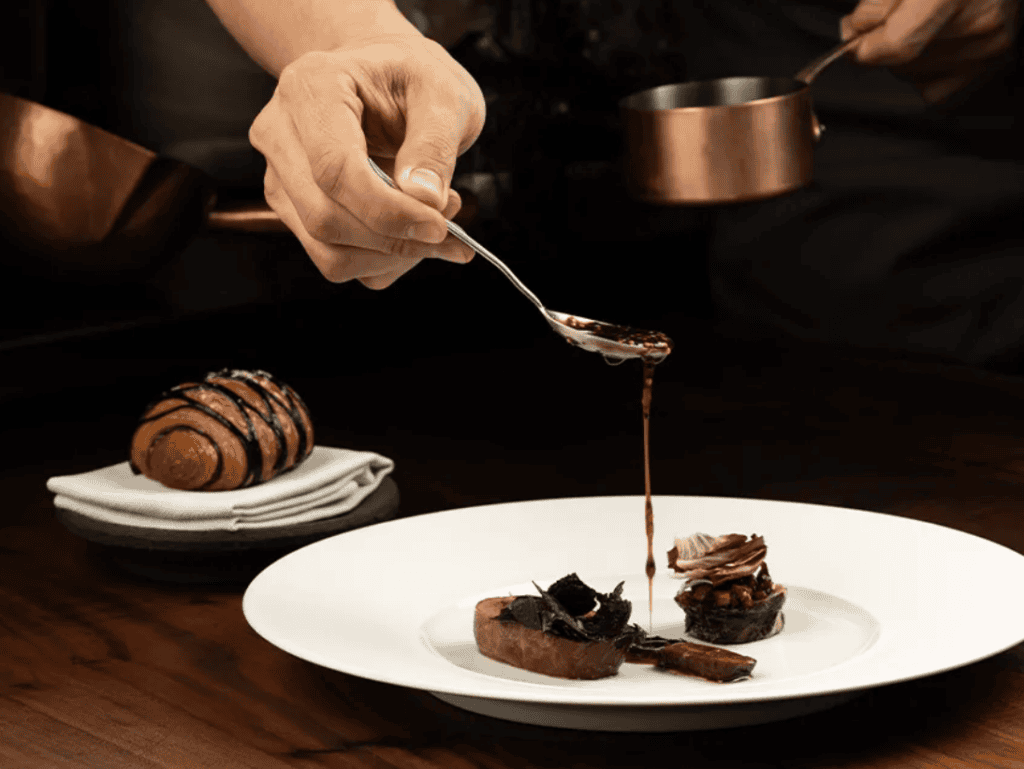
Greatest American Restaurants Saison San Francisco
When it comes to live-fire cooking in fine dining, San Francisco’s Saison may be the best to ever do it in America.
What began as a pop-up by chef Josh Skenes and sommelier Mark Bright in 2009 turned into a Michelin two-star restaurant that would move to new digs in SF’s SoMa neighborhood in 2013.
The tasting-menu restaurant, anchored by its hearth and the ‘80s hits rocking in the dining room, showed off Skenes’s pursuit of the greatest ingredients he could find, isolating the moment when they are at their best and discovering the cooking techniques that would complement them the most.
He pushed himself creatively, making legendary dishes like caviar wrapped in seaweed and then roasted in the fire and his liquid toast topped with uni.
In 2019, Skenes stepped away from the kitchen and handed the reins to Laurent Gras. Michelin demoted Saison to two stars when the next guide was released, and Gras left at the end of the year.
The current chef, Richard Lee, has been with the restaurant since 2019, but was officially named Saison’s executive chef in 2023, and Saison has retained its two Michelin stars.
Under Richard Lee’s direction, Saison has regained its spark—a restaurant reborn with freshness, precision, and the thrill of new beginnings.” —Danny Garcia
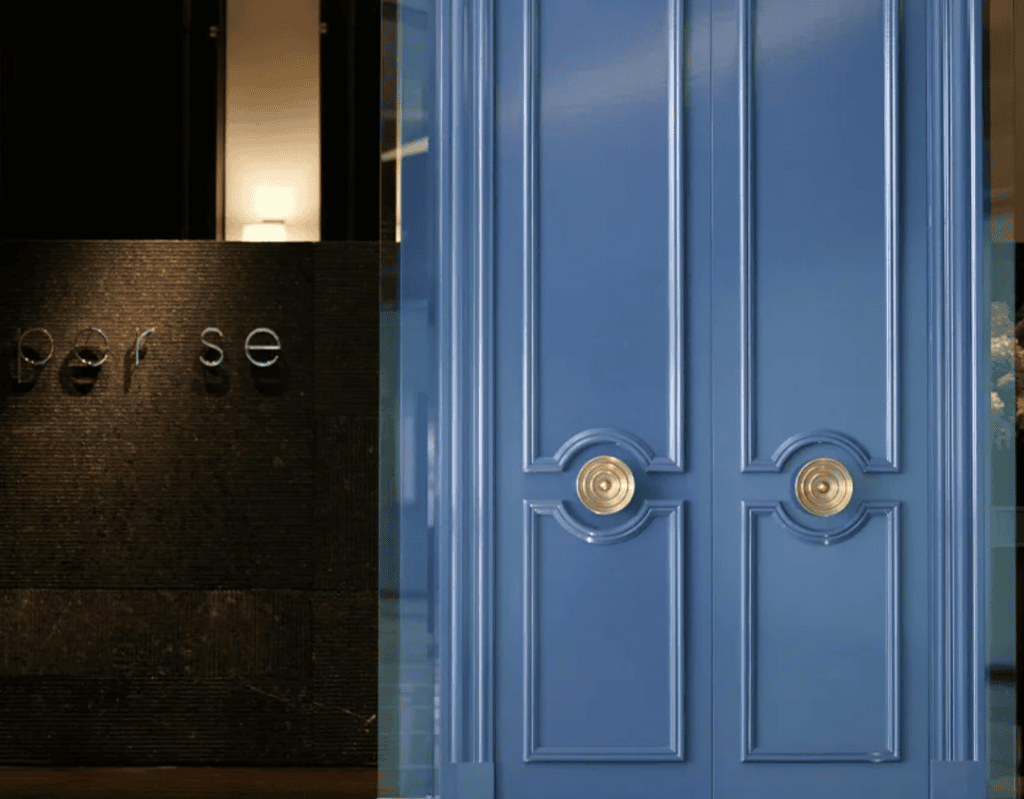
Per Se New York City
It’s not the French Laundry, per se.
That was the wry pitch by Thomas Keller as he prepared his return to New York City to open Per Se in Columbus Circle in 2004.
After building one of America’s greatest restaurants in the French Laundry, his opulent New York outpost changed the face of the city’s fine dining, ushering in a new era of tasting menus and once again paving a road that other chefs followed.
When Times critic Sam Sifton filed his last review for the Gray Lady, he perfectly captured Per Se, which he called New York City’s best restaurant, writing, “It represents the ideal of an American high-culture luxury restaurant.”
Of course, the next Times critic wasn’t as big a fan, as Pete Wells famously downgraded Per Se from four stars to two and got the phrase “bong water” entered into America’s paper of record.
The restaurant regrouped, eventually elevating Corey Chow to chef de cuisine in 2017, followed by Chad Palagi in 2021, and has maintained the three Michelin stars it has held since 2006.
“For Thomas Keller to parlay the quality and execution of the French Laundry to an East Coast, urban, setting and with completely unique identity as Per Se has been such an impressive and unparalleled feat, and one that has continued to endure and evolve on its own path.
New Restaurant Openings in US >>
Iconic Sandwiches By Country >>