Understanding Your Dog

Understanding Your Dog – Dog body language encompasses a range of unique behaviors that convey their emotions and intentions.
It can be quite different from how humans communicate with one another.
More often, though, dogs rely on nonverbal body language.
That can lead to plenty of human-dog misunderstandings.
Sometimes, dog body language is simply unfamiliar (after all, people don’t have tails).
At other times, it’s in direct contrast with what that same signal means to a human, such as when it comes to yawning or looking away.
To better communicate with your pet, learn some tips on reading dog body language.
Understanding Your Dog – Unique Biology and Senses
Unique Nose Prints
A dog’s nose print is as unique as a human fingerprint and can be used for identification.
Powerful Sense of Smell
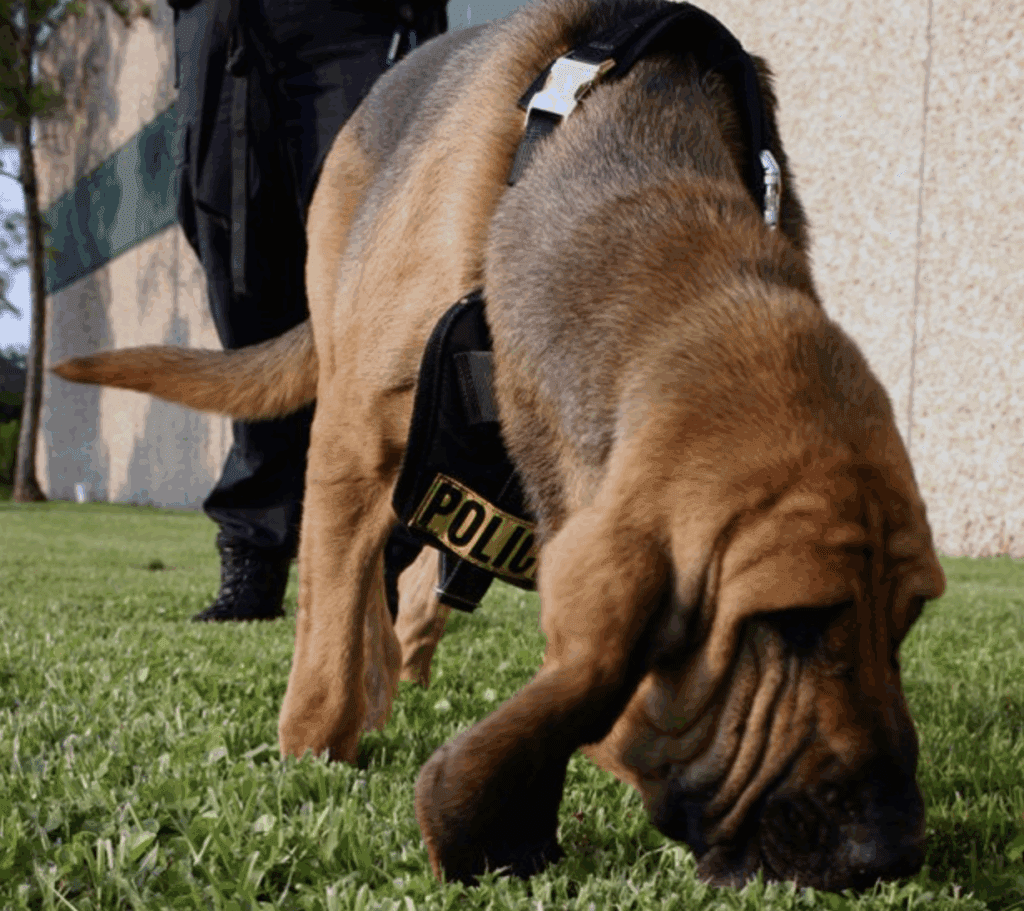
Dogs have an extraordinary sense of smell, with up to 300 million olfactory receptors in their noses, compared to about 6 million in humans.
They can smell feelings like fear by detecting chemical changes in human perspiration.
Exceptional Hearing
Dogs can hear sounds at much higher frequencies and from further away than humans.
Puppies are born deaf and blind, with their senses developing over the first few weeks.
Three Eyelids
In addition to upper and lower eyelids, dogs have a third eyelid, the nictitating membrane or “haw,” which helps keep the eye lubricated and protected.
Sweat Through Their Paws
Dogs primarily regulate their body temperature by panting, but they also have sweat glands in their paw pads that help them cool down.
Dogs have unique features like unique nose prints, sweat glands on their paws, and three eyelids.
Vocabulary
They are also highly intelligent, able to learn many words and understand emotions, and possess a sense of smell that is at least 40 times stronger than humans.
Eyes
Dogs have a third eyelid, called the nictitating membrane, which helps to protect and moisturize their eyes.
Dogs can see some colors, but their vision is similar to that of a person with red-green color blindness.
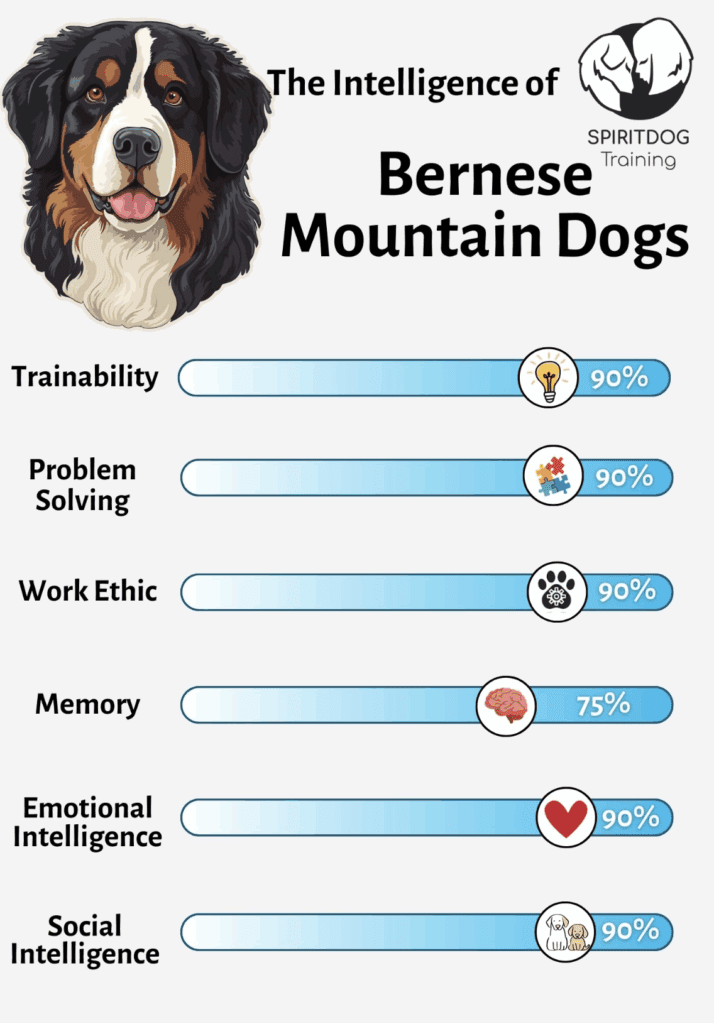
Understanding Your Dog’s Behavior and Intelligence
Dream Like Humans
Dogs experience REM sleep and can be observed twitching or moving their paws, indicating they are dreaming.
Can Be Left or Right-Pawed
Just like humans can be right or left-handed, dogs can have a dominant paw.
Sense of Time
Studies suggest dogs have a sense of time and can differentiate between an hour and five.
They can anticipate routine events like mealtime or walk time.
Intelligence Level
The average dog can understand around 165 words, while some highly intelligent dogs can learn up to 250 words and gestures, making them as smart as a two-year-old child, reports National Geographic Kids and the American Psychological Association.
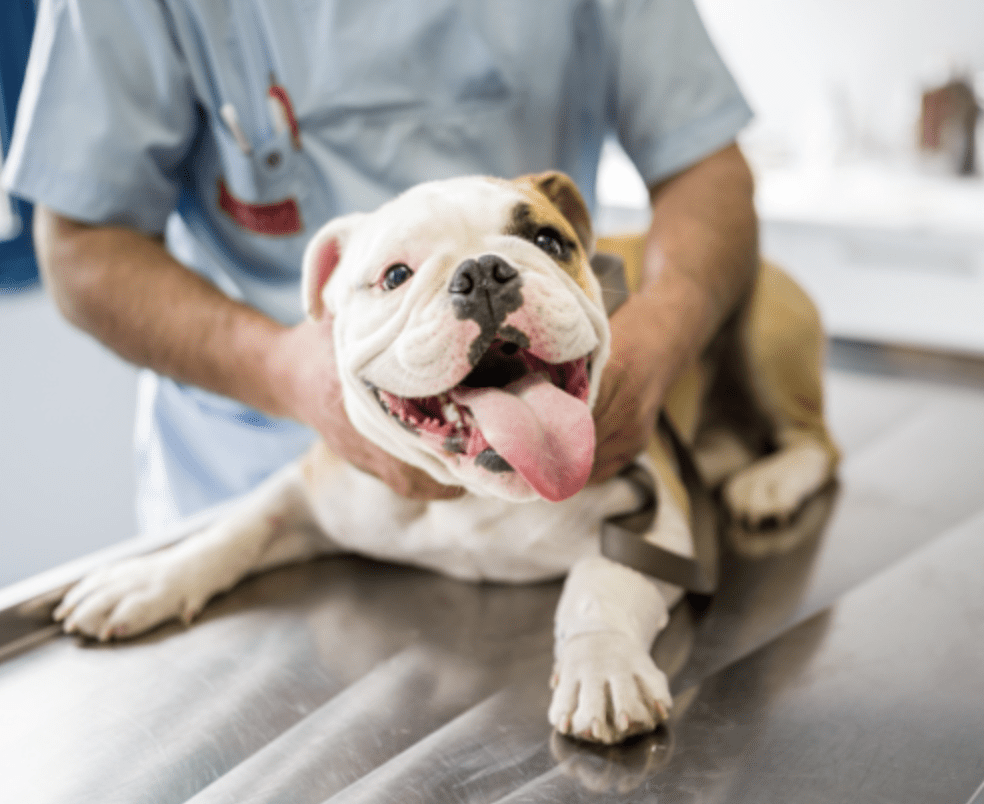
Understanding Your Dog’s Health and Wellness
Detect Illness
Dogs can be trained to detect human illnesses, including certain types of cancer and changes in blood sugar levels for diabetics, by smelling metabolic waste products released by cancerous cells or hormonal shifts.
Petting is Healthy
Petting a dog for just 15 minutes can lower a person’s blood pressure by 10%, along with reducing stress and combating loneliness for both the human and the dog.
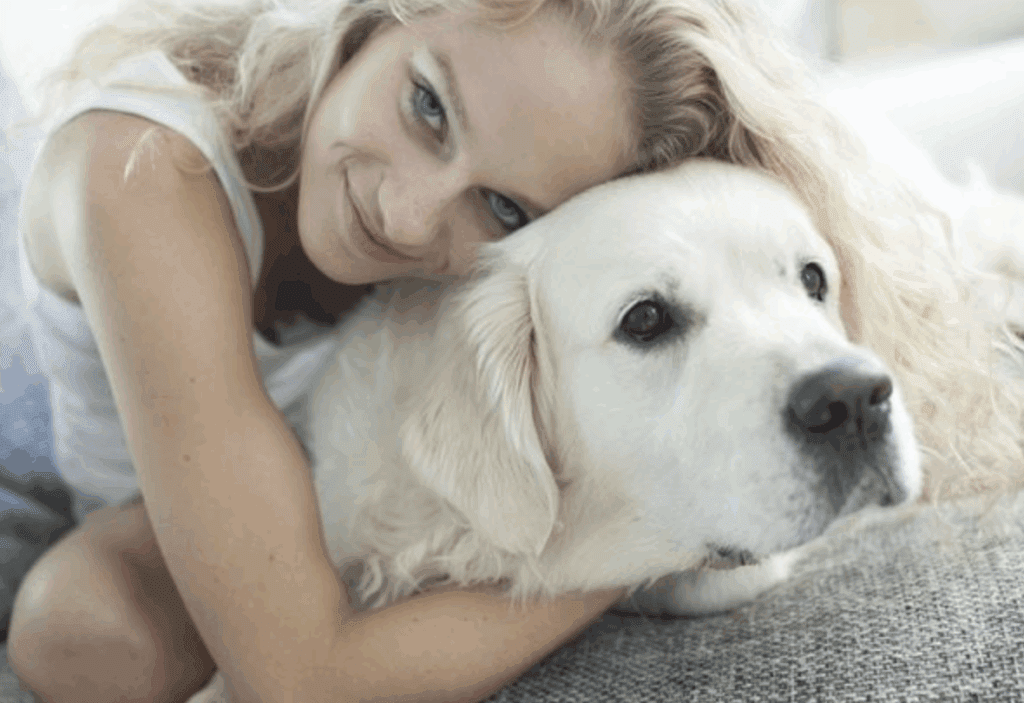
Understanding Your Dog – Affection
Dogs say “I love you” through physical affection like cuddling and leaning, playful behaviors such as bringing you their toys, and attentive actions like following you or making eye contact.
These actions show trust, loyalty, and affection, often leading to a mutual release of the bonding hormone oxytocin.
Physical Affection – Leaning
A dog leaning its full weight against you is a sign of trust and comfort, showing they feel safe and see you as a protector.
Physical Affection – Leaning
Licking is a common way for dogs to show affection, a behavior they associate with bonding with their owners.
Physical Affection – Cuddling
Sleeping with you or cuddling up to you is a sign of deep loyalty and comfort.
Physical Affection – Belly Rub
When a dog rolls onto its back for a belly rub, it’s a sign of comfort and trust, showing they feel completely at ease around you.
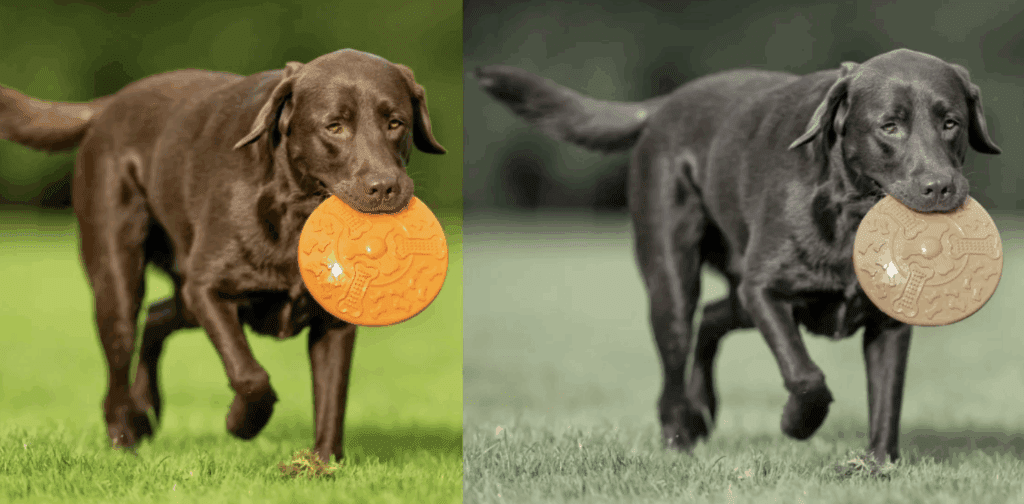
Understanding Your Dog’s Eyesight
Dogs cannot see colors in the red and green spectrum.
Their vision is limited to the blue and yellow range, similar to human red-green color blindness.
Because of this, red and green objects may appear as dull yellows, browns, or grayish-yellows to a dog.
Red: Appears as a dark grayish-brown or black.
Green: Appears as a yellowish or grayish-brown.
Orange: Appears as a dull brown or yellowish-gold.
Purple: Appears as blue.
While humans have three types of color receptors (cones) in their eyes, dogs only have two.
This means that their color vision is more limited compared to ours.
Dogs primarily see shades of blue and yellow, but they have difficulty distinguishing between red and green.
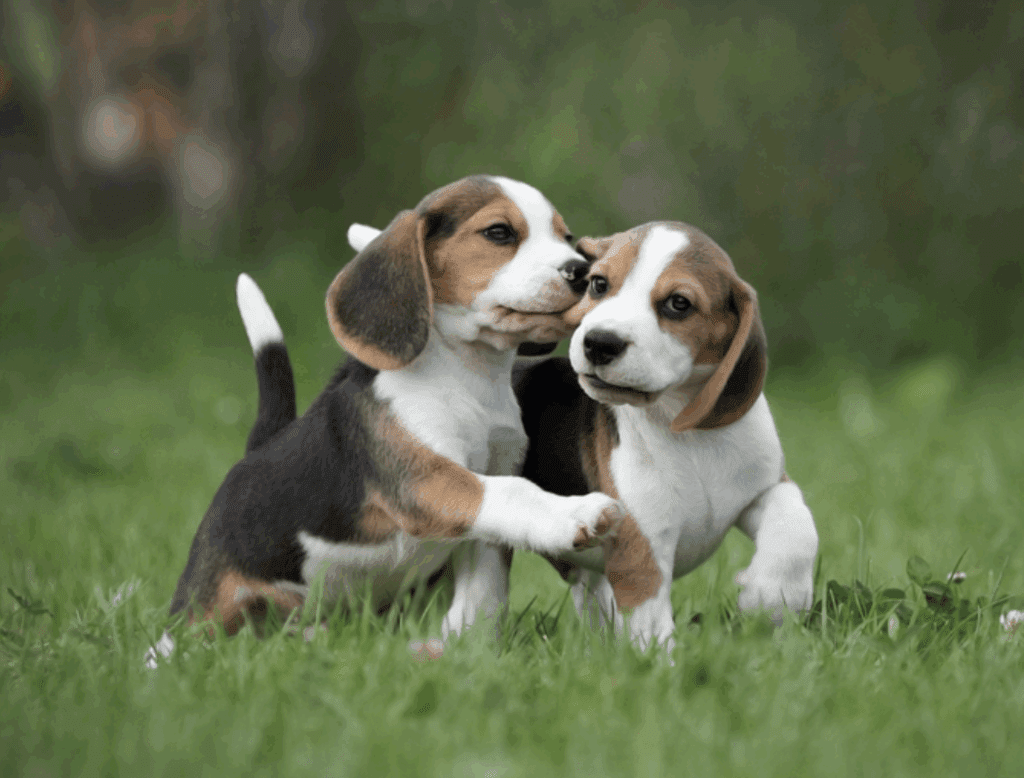
Understanding Your Dog – Play and Gifts
Bringing Toys
A dog bringing you their favorite toy is a sign of affection, as they are sharing their prized possessions with you.
It can also be a way of asking you to play with them.
Playing With You
Engaging in games like fetch or tug-of-war is a form of bonding that strengthens your relationship.
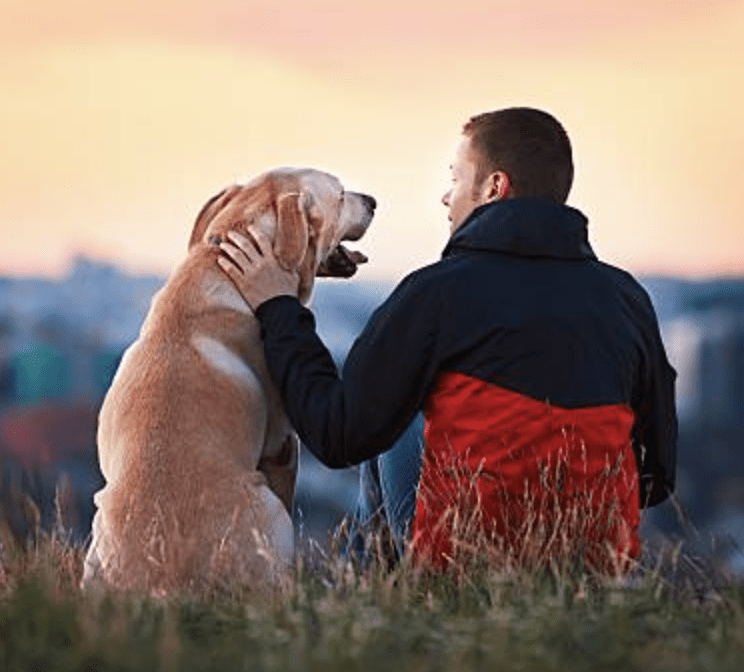
Understanding Your Dog – Attentive and Loyal Behaviors
Following You
A dog that follows you from room to room shows they want to be near you and are bonded to you.
Making Eye Contact
A dog that gazes at you with soft eyes is not just begging for food; they are releasing oxytocin, the same hormone that helps bond mothers and babies.
Excited Greetings
A dog that is overjoyed when you come home, complete with happy grunts, wags, and jumps, is showing you a lot of love.
Nudging With Their Nose
This can be a way to get your attention for pets or a simple nudge of affection.
Sniffing Your Belongings
A dog that finds and sniffs your dirty laundry or shoes is showing they missed you and love your scent.
Yawning
A dog yawning when you yawn is a sign of empathy and a deep emotional bond.
Apologies
Dogs “apologize” through submissive body language, such as lowering their head, tucking their tail, and averting their eyes, as a way to diffuse tension and signal to their owner they are not a threat.
They may also use appeasement behaviors like licking or nuzzling to restore peace and receive forgiveness, driven by a strong instinct to maintain social bonds.
It’s important to remember this is a learned reaction to your behavior and tone of voice, not guilt in the human sense
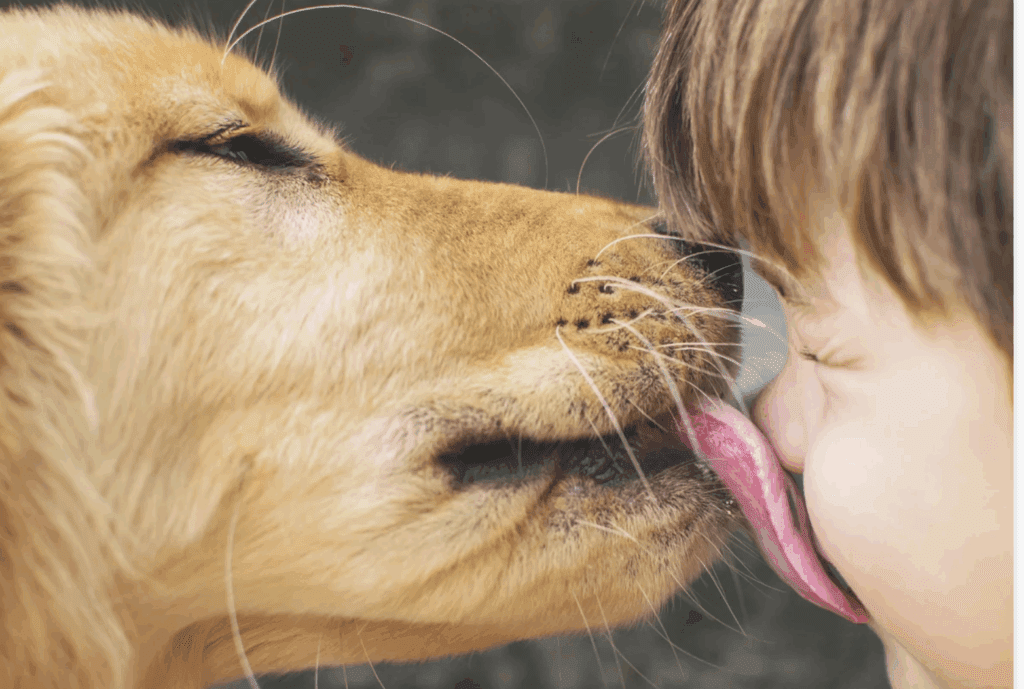
Understanding Your Dog’s Licking
Dogs lick people to show affection and bonding, similar to how their mothers groomed them as puppies.
They also lick for other reasons, such as seeking attention, expressing stress or anxiety, or because they enjoy the taste of your skin.
Licking is a natural and instinctive way for them to communicate and explore their world.
Reasons for Licking
Affection and bonding
Licking is a way to show love and build a social bond with you, mimicking the way a mother dog cares for her puppies.
It can also trigger a release of endorphins, which makes the dog feel calm and happy.
Seeking Attention
If a dog licks you and gets a positive reaction like petting or talking, they learn that licking is a way to get your attention.
Stress and Anxiety Relief
Licking can be a self-soothing behavior.
A dog may lick you when they feel uneasy or stressed as a way to calm themselves down.
Taste
Your skin might taste good to them, especially if you have salt from sweat after a workout or if you have a lotion or food residue on your skin.
Instinct and Exploration
Dogs use their sense of taste and smell to explore their environment.
Licking is a natural way for them to “taste” and understand the world around them, including you.
Empathy
Some studies suggest dogs may lick your face when you are crying, which could be a sign of empathy and concern for your feelings.
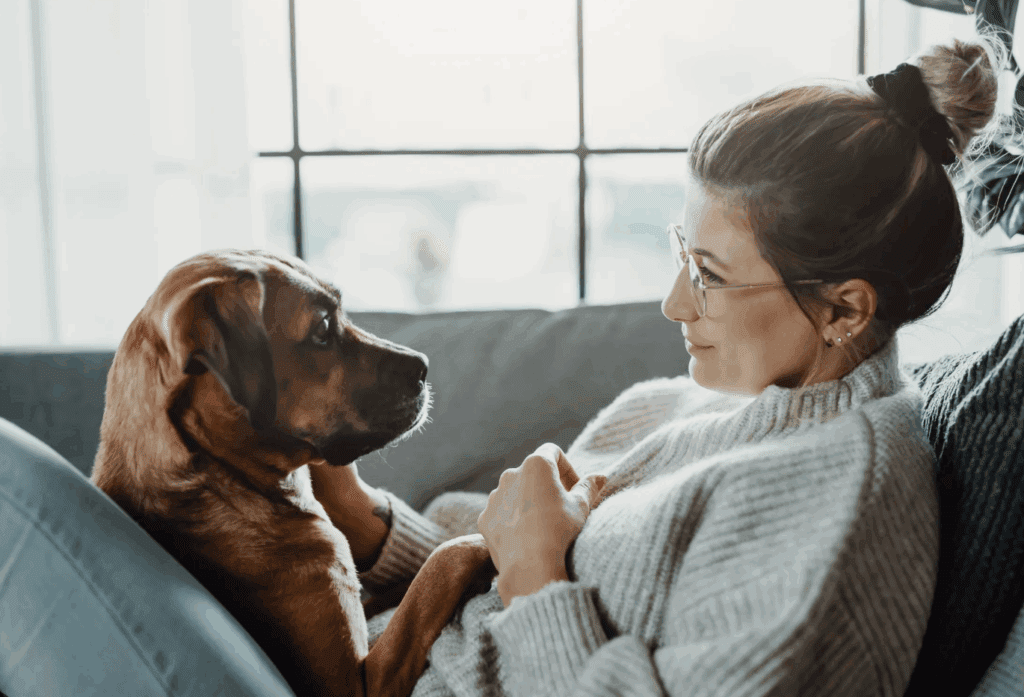
Understanding Your Dog – Favorite Person
Yes, dogs often have a favorite person, though it can be influenced by early socialization, personality compatibility, and who provides positive experiences like attention and play.
A dog may show favoritism by following its favorite person, being more excited to see them, or seeking them out for comfort during stressful times.
Factors Influencing a Dog’s Favorite Person
Socialization Period
From birth to six months, puppies are highly receptive to their environment.
The people they have the most positive experiences with during this time can have a lasting impact.
Personality and Energy Level
Dogs often bond with people who have similar energy levels. A high-energy dog might favor a person who is more active, while a calmer dog might prefer a more laid-back individual.
Positive Association
Dogs form positive associations with people who provide them with rewarding experiences.
This includes receiving treats, getting affection, and engaging in interactive play.
Attention and Affection
The person who gives the most attention, whether it’s through petting or play, often becomes a favorite.
Caregiver Role
The person who feeds and takes care of the dog can naturally become a favorite, but this can be a less significant factor compared to positive interactions like play.
Signs Your Dog May Favor You
Your dog follows you from room to room.
They greet you with enthusiastic wiggles and excitement.
They lean against you or seek physical contact.
They make direct eye contact with you.
They seek you out for comfort during stressful situations.
They are more responsive to your voice compared to others.
Couch Potato Puppy Dog Breeds >>
Bernese Mountain Puppy Training >>