
Best Places to Live
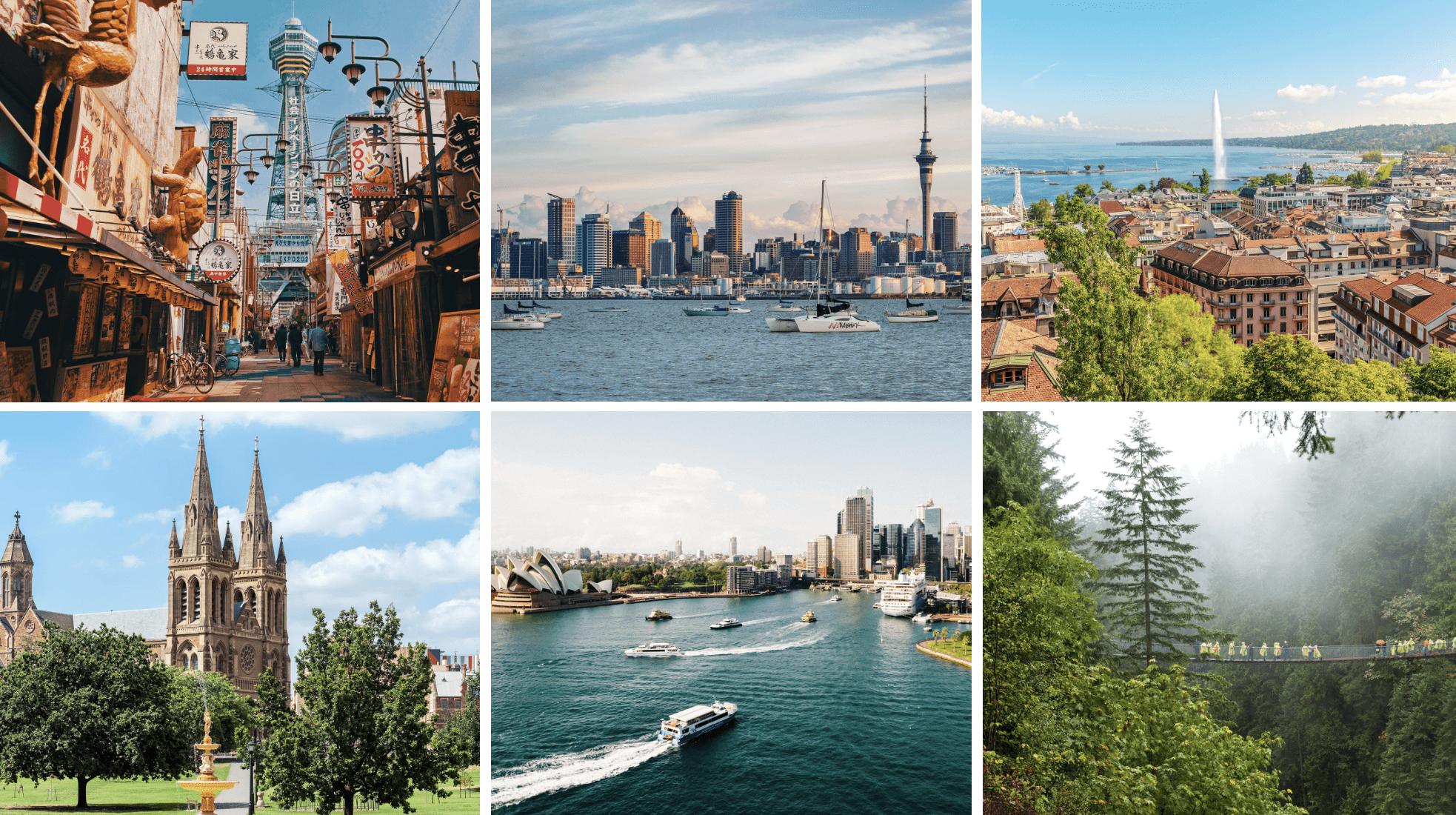
It’s always fun to daydream about the best places to live and growing roots in a new city or country.
There’s a lot of truth behind the idea that changing your address will vastly improve your life—especially if that new address comes with beaches and universal healthcare.
The Economist Intelligence Unit (EIU) just released its annual Global Liveability Index, a ranking of 172 global cities based on scores in five different categories: Stability, Healthcare, Culture & Entertainment, Education, and Infrastructure.
In the 2025 report, the average livability score for all countries is 76.1.
While that matches the 2024 average, there was a slight dip in stability numbers across the board, due to factors such as civil unrest, terrorism threats, and housing crises.
On the flip side, there were marginal improvements in some of the other categories thanks to global advancements in healthcare and education.
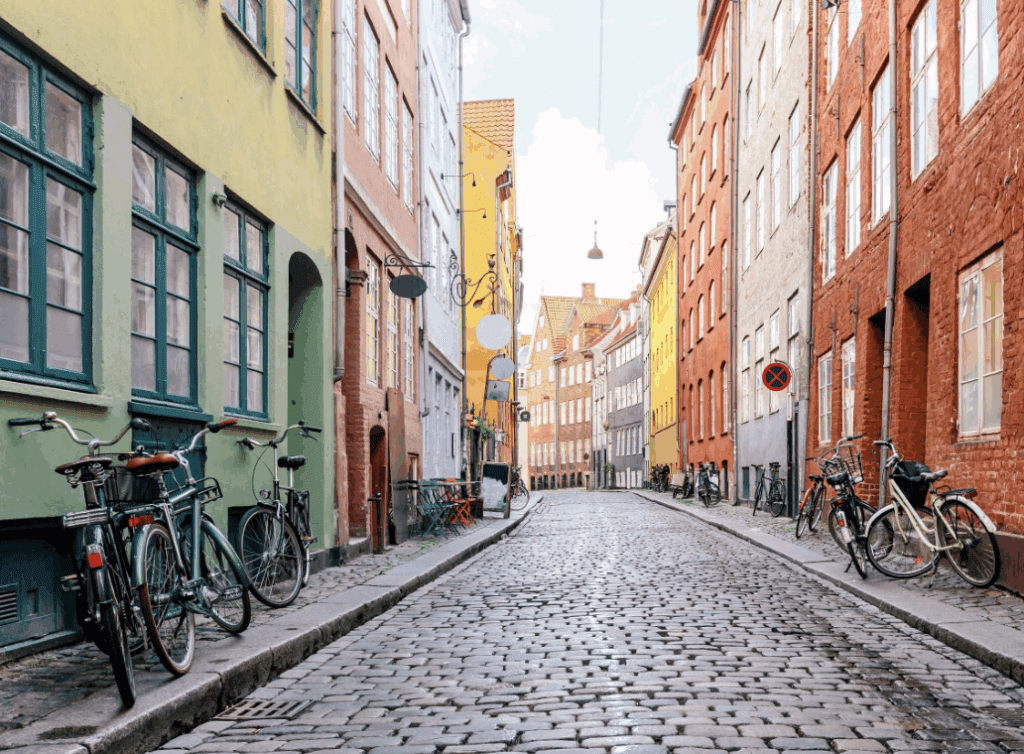
Best Places to Live Copenhagen Denmark
Overall rating: 98.0
Stability: 100.0
Healthcare: 95.8
Culture and environment: 95.4
Education: 100.0
Infrastructure: 100.0
Copenhagen is the world’s most livable city in 2025. Despite its reputation for churning out cutting-edge restaurants and hotels, the Danish capital has an ageless charm that makes you want to keep going back.
The whimsical, 1800s-era Tivoli Gardens puts all other amusement parks to shame, while the bohemian community of Christiania is a hazy, verdant dreamland.
The city is expensive, but you don’t necessarily need a fat wallet to enjoy it.
Public parks and free galleries abound, and the infrastructure makes it one of the most bike-friendly places in the world.

Vienna Austria (tie)
Overall Rating: 97.1
Stability: 95.0
Healthcare: 100.0
Culture and Environment: 93.5
Education: 100.0
Infrastructure: 100.0
After three consecutive years in the #1 spot, Vienna dips ever so slightly to earn the silver medal in the latest rankings.
According to the Economist Intelligence Unit, the drop was due to shaken stability from a couple of terrorism scares over the past year (including the bomb threat that cancelled a Taylor Swift concert in 2024). Still, Vienna thrives.
Between visiting the opera, touring the gardens at Schönbrunn Palace, and sampling Sachertorte (chocolate torte), you’ll never get bored here.
Plus, the local government puts a lot of resources behind infrastructure and housing, so the cost of living is far lower than in comparable European cities.
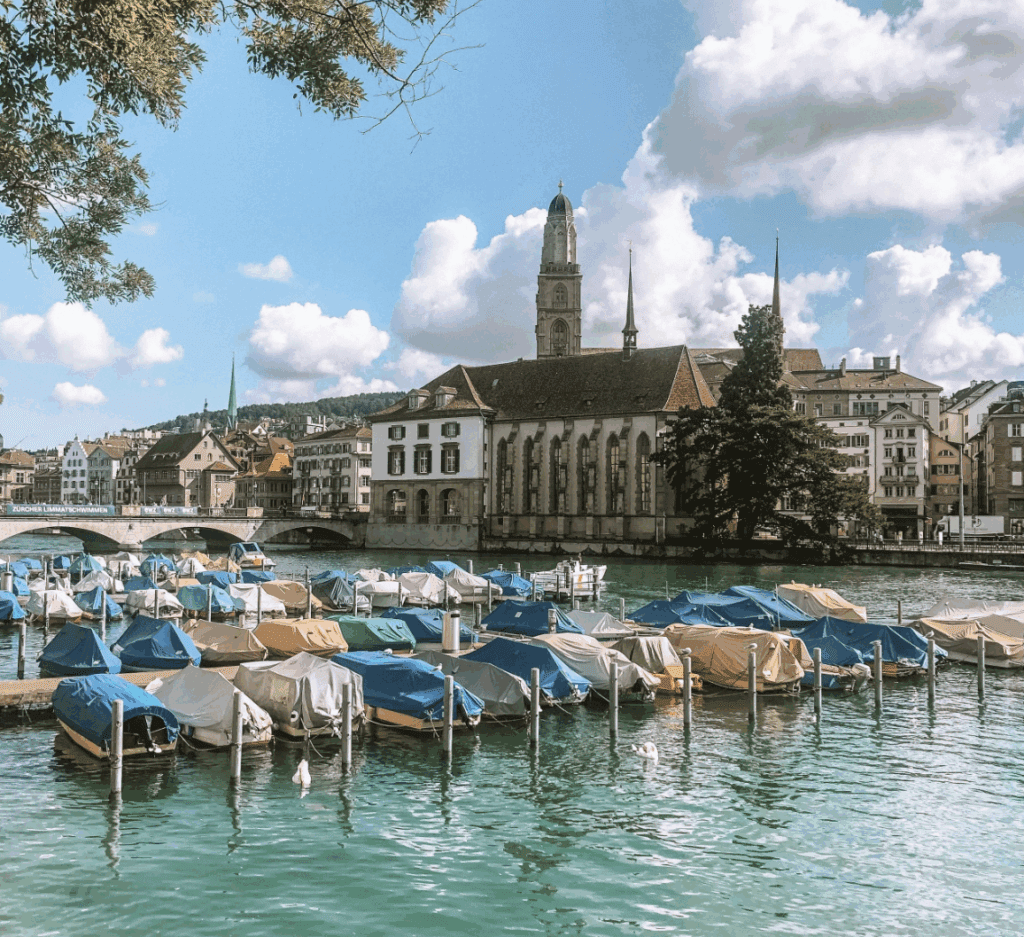
Best Places to Live Zurich Switzerland (tie)
Overall rating: 97.1
Stability: 95.0
Healthcare: 100.0
Culture and environment: 96.3
Education: 100.0
Infrastructure: 96.4
Ranks two and three were tied this year, with the joint spot partially going to Zurich.
Switzerland’s largest city and economic hub may seem one-dimensional at first glance, with a reputation for being hyper-efficient and severe.
The fact that you’ll find spotless streets and trains that always run on time is true—but the city is full of surprises. Come summertime, you’ll find citizens swimming in the Limmat River, playing volleyball in the parks, and riding their bikes to grab scoops of gelato.
Zurich is also something of a haven for young creatives, which means you can find plenty of art galleries and fantastic restaurants.
Melbourne Australia
Overall Rating: 97.0
Stability: 95.0
Healthcare: 100.0
Culture and Environment: 95.8
Education: 100.0
Infrastructure: 96.4
Melbourne is the most livable city in Australia, and the fourth-most livable city in the world. Like other Aussie winners, it received perfect scores for healthcare and education, but it has a slight edge in the culture department. Travelers continue to visit Melbourne for its world-class art and famed coffee and cuisine—though they may start wanting to look at real estate during their next trip.
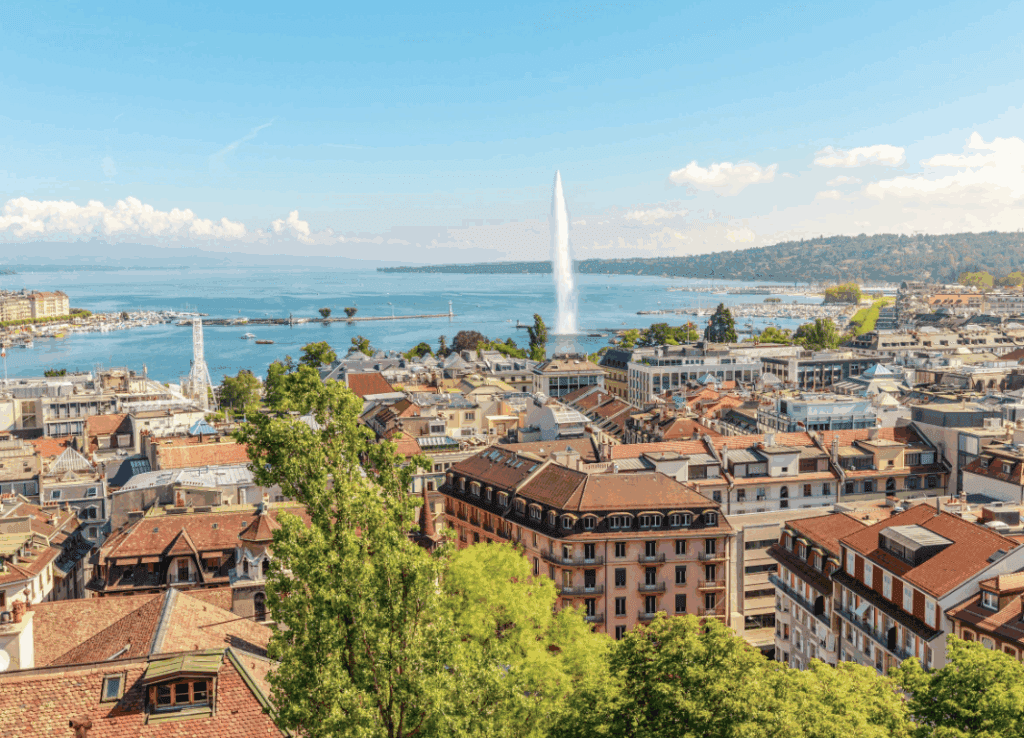
Best Places to Live Geneva Switzerland
Overall rating: 96.8
Stability: 95.0
Healthcare: 100.0
Culture and Environment: 94.9
Education: 100.0
Infrastructure: 96.4
Despite being one of the most expensive cities in the world, Geneva proves its livability with a perfect healthcare score (it is the home of the Red Cross, after all) and high numbers for stability and infrastructure.
There’s no denying the city’s natural beauty, either—it boasts expansive views of the Alps and Jura Mountains, and, of course, is home to Lake Geneva. With a daily commute that gorgeous, we can see why people are eager to move here.

Sydney Australia
Overall rating: 96.6
Stability: 95.0
Healthcare: 100.0
Culture and Environment: 94.4
Education: 100.0
Infrastructure: 96.4
Maintaining its 96.6 score from last year, Sydney consistently proves to be one of the world’s top cities.
Its enviable social structure—not to mention its arts and culture scene—can only be outdone by its natural beauty: The Australian city is surrounded by lush national parks and an amazing coastline that sports some of the best beaches in the world.
The locals here are famously laid-back and friendly—who wouldn’t be with roughly 300 days of sunshine each year.

Best Places to Live Osaka Japan (tie)
Overall rating: 96.0
Stability: 100.0
Healthcare: 100.0
Culture and Environment: 86.8
Education: 100.0
Infrastructure: 96.4
Osaka might be Japan’s third-largest city (after Tokyo and Yokohama), but its tourism pull rivals that of the nation’s capital.
For starters, Osaka is one of the best food cities in all of Japan—must-eat regional specialities include takoyaki (battered, fried octopus balls) and okonomiyaki (grilled savory pancakes with a variety of additions).
But seeing how it scored perfect 100’s in three of the five categories, we’d consider moving regardless of how wonderful the food was.

Auckland New Zealand (tie)
Overall rating: 96.0
Stability: 95.0
Healthcare: 95.8
Culture and Environment: 97.9
Education: 100.0
Infrastructure: 92.9
As New Zealand’s biggest city, Auckland has a thriving culinary scene, including a new wave of restaurants that highlight Pacific flavors.
Since the pandemic, Auckland has a redeveloped waterfront, featuring green spaces and new design-forward hotels.
Just outside the city are wild and dramatic beaches with cliffs and black sand dunes.
Plus, Auckland is a great launchpad for treks into the countryside, with its unique land formations and astounding natural beauty.

Best Places to Live Adelaide Australia
Overall rating: 95.9
Stability: 95.0
Healthcare: 100.0
Culture and Environment: 91.4
Education: 100.0
Infrastructure: 96.4
Adelaide has world-class vineyards and natural wines, but it turns out the southern coastal city is a great place to take up permanent residence.
The Economist Intelligence Unit gave Adelaide a score of 100 (the highest possible score) in both healthcare and education, helping it jump back into the top 10 after falling off the past two years.
The pristine beaches, incredible restaurants, and aforementioned wine scene certainly add to the livability factor.

Vancouver Canada
Overall rating: 95.8
Stability: 95.0
Healthcare: 95.8
Culture and Environment: 97.2
Education: 100.0
Infrastructure: 92.9
Dipping ever so slightly in the rankings this year (last year it was tied for 7th with an overall score of 96.6), Vancouver still earns its place as one of the world’s most livable cities.
It feels cosmopolitan, but it’s still easy to get outdoors within city limits and embrace that active Northwest lifestyle.
The Capilano Suspension Bridge in North Vancouver is always a popular attraction, as is Stanley Park (for locals and visitors alike).
Those who live in the city have regular access to outdoor activities such as whale watching, snowshoeing, hiking, and mountain biking, depending on the season.
Most importantly, the people here are so friendly, you’ll feel at home almost immediately.
The Best Hotels in Copenhagen >>
World’s Best Places to Visit >>
Wine Regions to Visit Globally >>